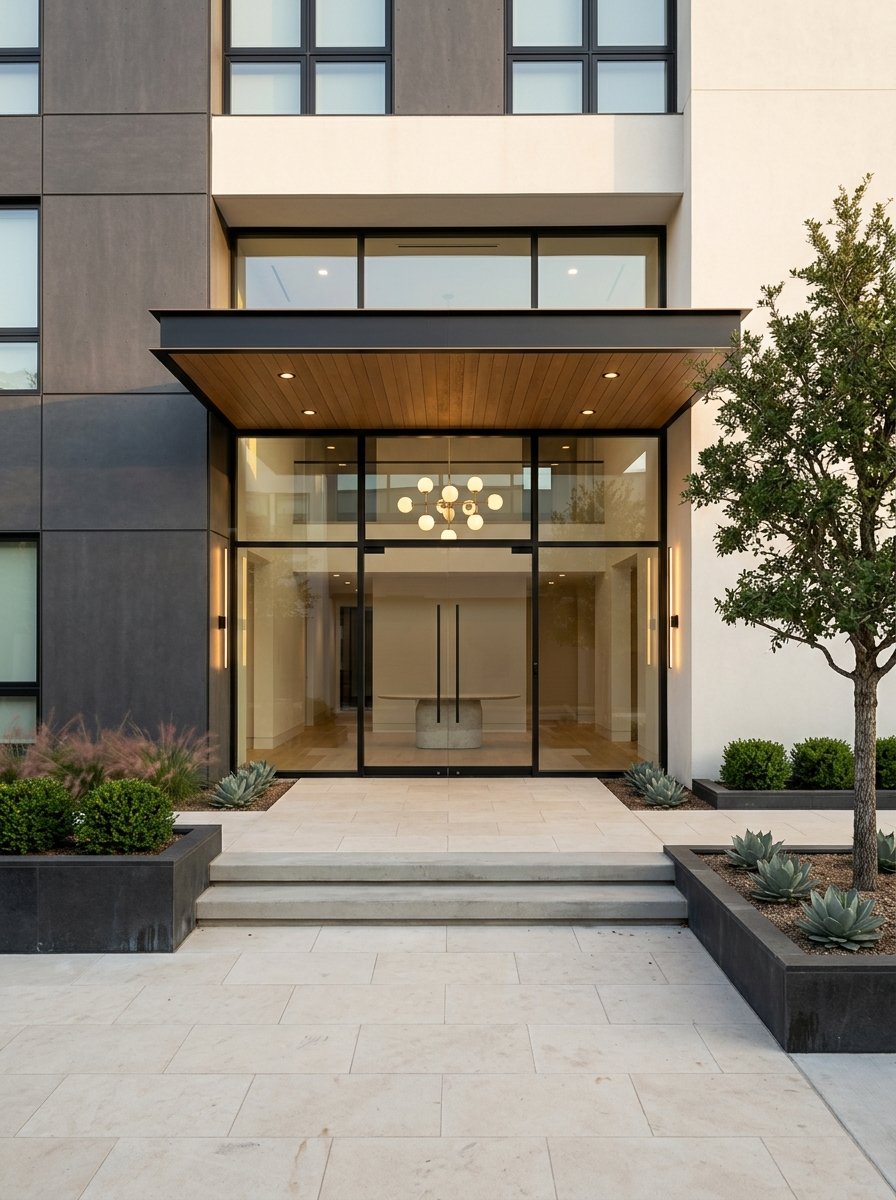
Dallas Central Luxury Condo Guide for Comparing Buildings
June 25, 2026
June 25, 2026
If you have started touring luxury condos in Dallas Central, you already know one thing: not all high-rise living feels the same. A sleek glass tower, a historic loft conversion, and a mixed-use residence may all sit in a similar price range, yet offer very different daily experiences. If you want to compare buildings with more confidence, this guide will help you look past the lobby and focus on what really matters. Let’s dive in.
One of the smartest ways to compare Dallas Central luxury condo buildings is to begin with the building’s identity. Architecture shapes more than curb appeal. It affects privacy, natural light, ceiling height, terrace use, and how your home feels from morning to night.
In Dallas Central, you will see several distinct categories. Some buyers are drawn to modern glass towers with strong skyline views. Others prefer mixed-use buildings with built-in convenience, while some want the texture and character of a historic loft conversion.
A few well-known examples show how different these experiences can be. One Arts Plaza is a 24-story mixed-use building with 61 condominium residences that begin on the 18th floor. Museum Tower is a 42-story tower with architecture by Scott Johnson and a half-acre great lawn, while Bleu Ciel is a 33-story Harwood tower designed by Jean-Michel Wilmotte and HDF with a strong indoor-outdoor feel.
SoCo Urban Lofts offers a very different setting. It is a 1925 adaptive-reuse conversion of the former Santa Fe Railroad Terminal and WFAA offices, known for historic loft character and exposed brick. The House, in Victory Park, brings a designer-forward identity in a 28-story tower designed by Philippe Starck.
Luxury condo shopping becomes easier when you ask a simple question: How do you want to live every day? The right building is not always the one with the longest amenity list or the tallest tower. It is the one that supports your routine, priorities, and design preferences.
If you value a polished urban experience near arts and culture, One Arts Plaza may stand out. It is located in the Arts District and emphasizes access to museums, performance spaces, Klyde Warren Park, Uptown, and Deep Ellum. That location can feel very different from Victory Park or the downtown core.
If you want a design statement and a central address, Museum Tower may appeal to you. If your ideal day includes trail access and expansive views, Bleu Ciel’s Harwood District setting and direct Katy Trail access may carry more weight. If you want a more industrial, historic atmosphere, SoCo Urban Lofts offers a different kind of appeal entirely.
The House sits in Victory Park and offers adjacency to urban entertainment, along with views toward downtown, Reunion Tower, and the Margaret Hunt Hill Bridge. That can be a strong fit if you want an active, central lifestyle. The key is to compare each building against your real habits, not just your wish list.
Amenities matter, but only if you will actually use them. In Dallas luxury towers, service level often matters just as much as the physical features themselves. Concierge, valet, controlled access, and private resident spaces can shape your daily comfort more than a dramatic pool deck you visit twice a year.
Bleu Ciel advertises a resident-only spa, two junior Olympic pools, a fitness studio, a wine cellar, 24/7 concierge and valet, an on-site dog park, and direct Katy Trail access. One Arts Plaza offers a 20th-floor pool terrace, private fitness center, owner’s room, 24-hour doorman and security, concierge, and valet parking.
Museum Tower emphasizes its half-acre great lawn and two owners’ lounges. SoCo includes a rooftop pool, grills, overlook deck, fitness center with yoga and boxing rooms, media room, covered parking, guest parking, and building-wide wifi. The House includes an infinity pool, hot tub, owner’s lounge, conference board room, dog run, concierge, valet, and controlled-access parking.
As you compare buildings, think in practical terms. Do you want resort-style wellness amenities, strong work-from-home support, guest-friendly common spaces, or lock-and-leave convenience? A curated list of the features you will use most can help you quickly separate the right fit from the merely impressive.
Parking can be one of the biggest day-to-day differentiators in a luxury condo building. This becomes even more important if you have multiple vehicles, frequent visitors, or want a simpler arrival experience. In some buildings, parking is a convenience. In others, it is part of the luxury value.
One Arts Plaza pairs a spacious garage with valet. SoCo offers covered parking and guest parking, while The House advertises an exclusive three-level residential garage with designated spaces. Bleu Ciel highlights private garages within the parking structure and EV charging.
When you compare options, ask specific questions. How many spaces come with the unit? Are they assigned? Is guest parking easy, limited, or valet-based? These details can have a real impact on how effortless the building feels over time.
A common mistake is to compare buildings based only on the monthly HOA number. That shortcut can lead you in the wrong direction. A higher monthly cost may reflect stronger staffing, more services, broader insurance coverage, or better reserve planning.
Texas condominium associations are governed by Chapter 82 of the Texas Property Code. Under that law, the unit owners’ association must be organized as a corporation, assessments are a personal obligation secured by a continuing lien, reserve funds may be accumulated for anticipated expenses, and the association must record a management certificate in county records.
For resale purchases, Texas law also requires the seller to furnish a current declaration, bylaws, association rules, and a resale certificate prepared within the prior three months. That resale certificate must disclose the operating budget, the current common expense assessment, unpaid amounts, planned capital expenditures for the next 12 months, reserves, unsatisfied judgments, pending suits, insurance coverage, and known violations or government notices.
That makes the resale certificate one of the most useful comparison tools you have. Instead of asking only, “What are the dues?” ask, “What do the dues actually cover?” You want clarity on staffing, valet, elevators, pools, insurance, trash, reserves, and future capital projects.
Monthly dues are only one part of ownership cost. Your true carrying cost also includes property taxes, insurance, and any future building-related expenses that could affect your budget. A luxury condo that looks competitive on paper may feel different once all recurring costs are added together.
Property taxes should always be verified through Dallas Central Appraisal District records rather than relying on an older estimate. DCAD appraises property for ad valorem tax assessment on behalf of local taxing units in Dallas County. Reviewing tax bills and protest history can give you a more accurate picture of actual ownership cost.
Insurance is another area to clarify early. Condo associations often carry master insurance for common areas, but you may still need your own unit-level insurance. When comparing buildings, ask for the insurance summary so you understand where the association’s coverage ends and your responsibility begins.
Views sell condos, but daily livability keeps owners happy. In Dallas Central, location can change the entire ownership experience because each building sits in a different lifestyle zone. A dramatic skyline line of sight may be compelling, but so is how the surrounding area functions for your routine.
As you compare buildings, consider the view from the specific unit, not just the building marketing. You should also think about whether that view is likely to stay open, how walkable the area feels to you, and whether the streets and access points support the lock-and-leave lifestyle you want.
Bleu Ciel markets 360-degree views of downtown, the Calatrava Bridge, and Park Cities. The House highlights views toward downtown, Reunion Tower, and the Margaret Hunt Hill Bridge. One Arts Plaza leans into its Arts District position, while SoCo offers a downtown-core setting with a historic urban-loft tone.
The point is simple: a building’s address is not just a pin on the map. It shapes how you arrive home, how you move through the area, and how well the property aligns with the version of Dallas you want to enjoy most.
In condo purchases, the health of the project matters as much as the appeal of the unit. Financing and resale can be influenced by building-level issues that are easy to miss during a showing. A beautiful residence in a complicated project may present more friction later.
Lender project review can include owner-occupancy, project-level litigation, project budgets, financial statements, reserve studies, and limitations on access to amenities or common elements. Pending litigation, delinquent assessments, excessive commercial space, and reserve-study adequacy can all become important points during review.
For you as a buyer, the practical takeaway is to focus on clean records and solid documentation. Buildings with healthy reserves and fewer unresolved issues may be easier to finance and easier to position when it is time to sell. That is why due diligence at the building level is so important, especially in the luxury segment.
Not all units within a luxury building will behave the same way in the market. Floor plan rarity, stack position, terrace layout, and view orientation can influence both pricing and buyer demand. This matters when you are trying to balance lifestyle with long-term value.
One Arts Plaza is a useful example because it offers more than 18 floor plans, and no plan is repeated more than six times. That can create a more custom feel, but it can also mean fewer like-for-like comparable sales when you want to benchmark value. In a more standardized tower, pricing may be easier to compare from one sale to another.
Historic loft buildings such as SoCo can also attract a more specific buyer profile because exposed brick, adaptive-reuse history, and industrial character are distinct preferences. That does not make one format better than another. It simply means resale appeal may depend on how broad or niche the unit’s style is within the market.
Before you tour seriously or move toward an offer, ask for documents that help you compare buildings on equal footing. This step can save time, sharpen your decisions, and uncover issues that photos never will.
Request the following:
This is where design-focused buying meets disciplined review. You can love a building’s architecture and still ask careful questions about reserves, rules, and future costs. In a market like Dallas Central, that balance often leads to stronger decisions.
If you want a more refined way to compare luxury condo options in Dallas Central, the best approach is part lifestyle clarity and part building-level analysis. The right property should align with how you want to live today while also giving you confidence in the details behind the scenes. When you are ready for a design-minded, high-touch approach to your search, connect with Noe De Leon.
Stay up to date on the latest real estate trends.
Negotiates some of the most recognizable modern/contemporary homes in the Dallas/Ft.Worth area. His new conversation in real estate is building a Luxury Real Estate Community where we foster knowledge and network, called the COLLECTIVE Luxury DFW. Contact Noé today.
Noé De Leon
[email protected]
(214) 207-9093
License #0614650
2482 Sedalia CT Frisco TX 75034