What makes a home in Highland Park, Midland feel truly luxurious? It is not just price or square footage. It is the way architecture, lot design, and streetscape come together to shape daily life. If you love design or plan to buy or sell here, you want to understand which styles define the neighborhood and how each one affects comfort, maintenance, and long‑term value. This guide gives you a clear, style‑by‑style look at what to expect, what to inspect, and how to maximize your investment. Let’s dive in.
The styles you see in Highland Park
Tudor Revival / English Revival
- Signature features: Steep gables, decorative half‑timbering, tall grouped windows, arched entry doors, prominent brick or stone chimneys. Interiors often include wood detailing and defined formal rooms.
- How it lives: Expect a more compartmentalized layout with cozy, intimate spaces. Natural light can be dramatic but directed due to window shape and placement.
- Maintenance notes: Periodic tuckpointing for masonry, careful watch for wood trim wear, and roof repair planning since steep pitches can raise service complexity.
- Value snapshot: Authentic craftsmanship and original materials tend to command a premium with design‑forward buyers. Preservation of character is a plus at resale.
Mediterranean / Spanish Revival
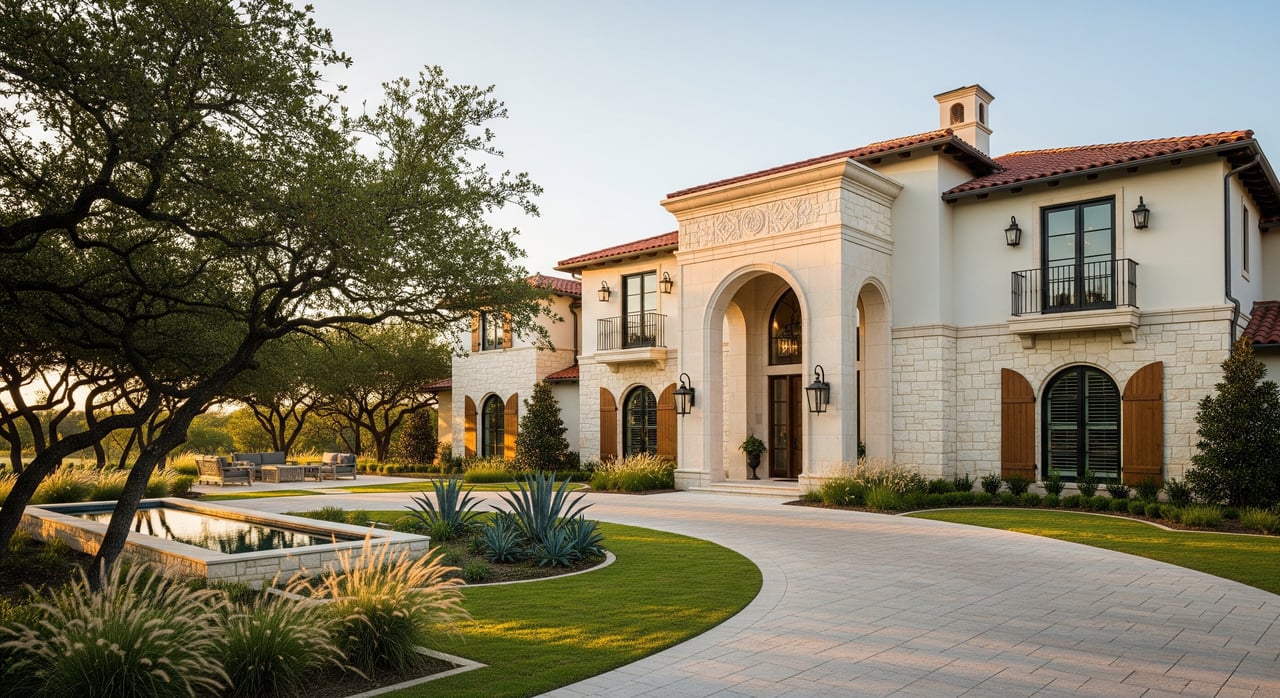
- Signature features: Stucco exteriors, red clay tile roofs, arched openings, wrought‑iron accents, and shaded courtyards or loggias that support outdoor living.
- How it lives: Strong indoor‑outdoor flow suits the West Texas climate. Deep porches and thick walls help temper heat, and outdoor rooms extend daily living space.
- Maintenance notes: Stucco should be inspected for cracks and sealed. Tile roofs last a long time but the underlayment still needs periodic review. Ironwork requires rust protection.
- Value snapshot: Lifestyle appeal is high when outdoor areas are well executed. Buyers pay attention to quality of courtyards, patios, and durable finishes.
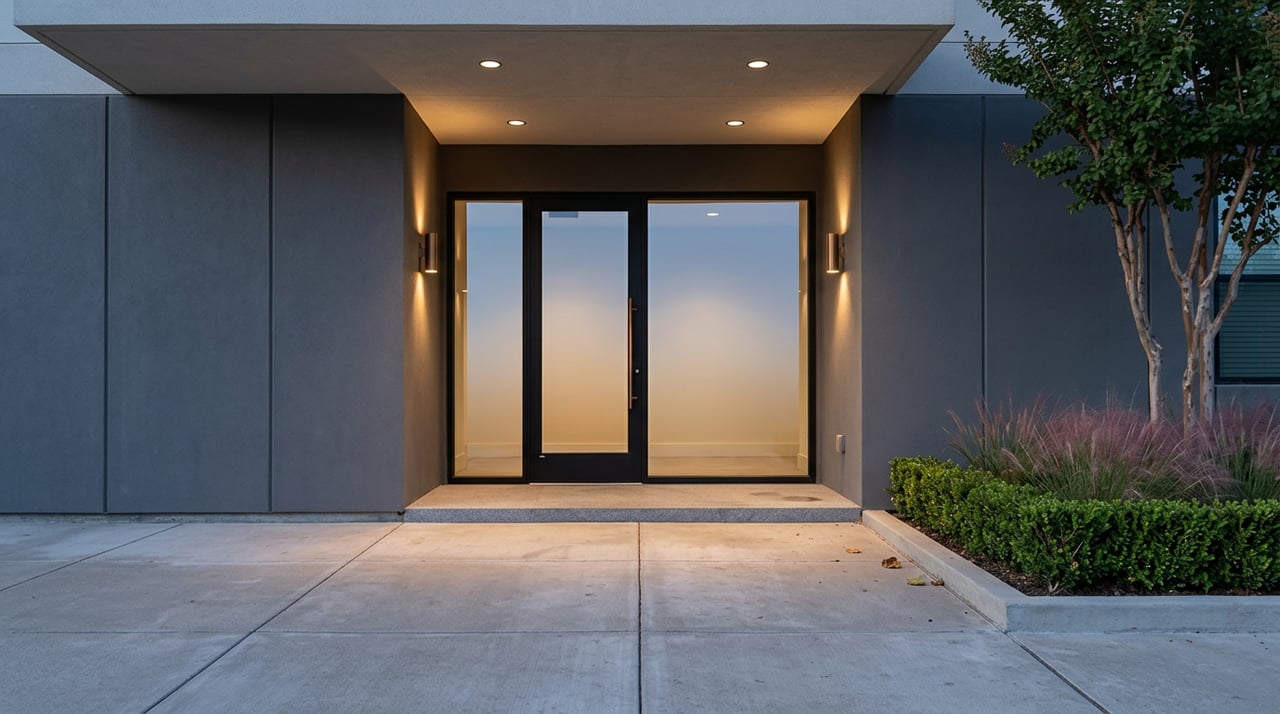
Contemporary / Modern / Modern Farmhouse
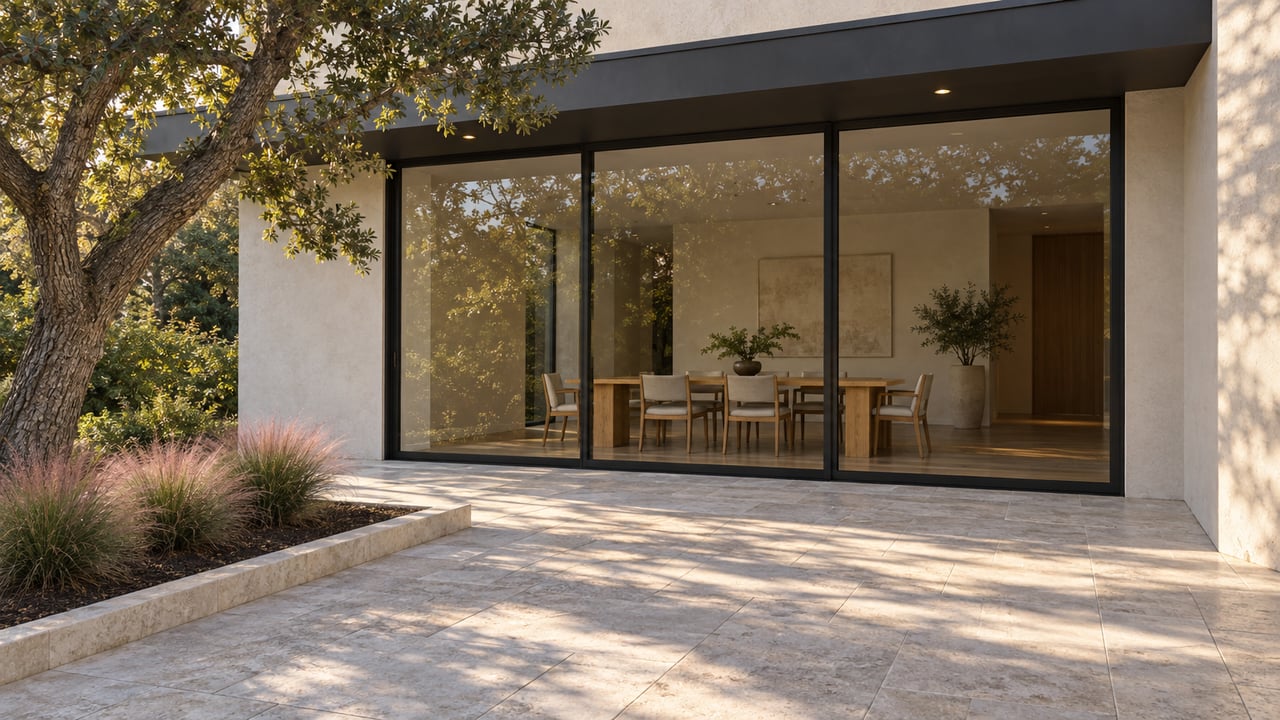
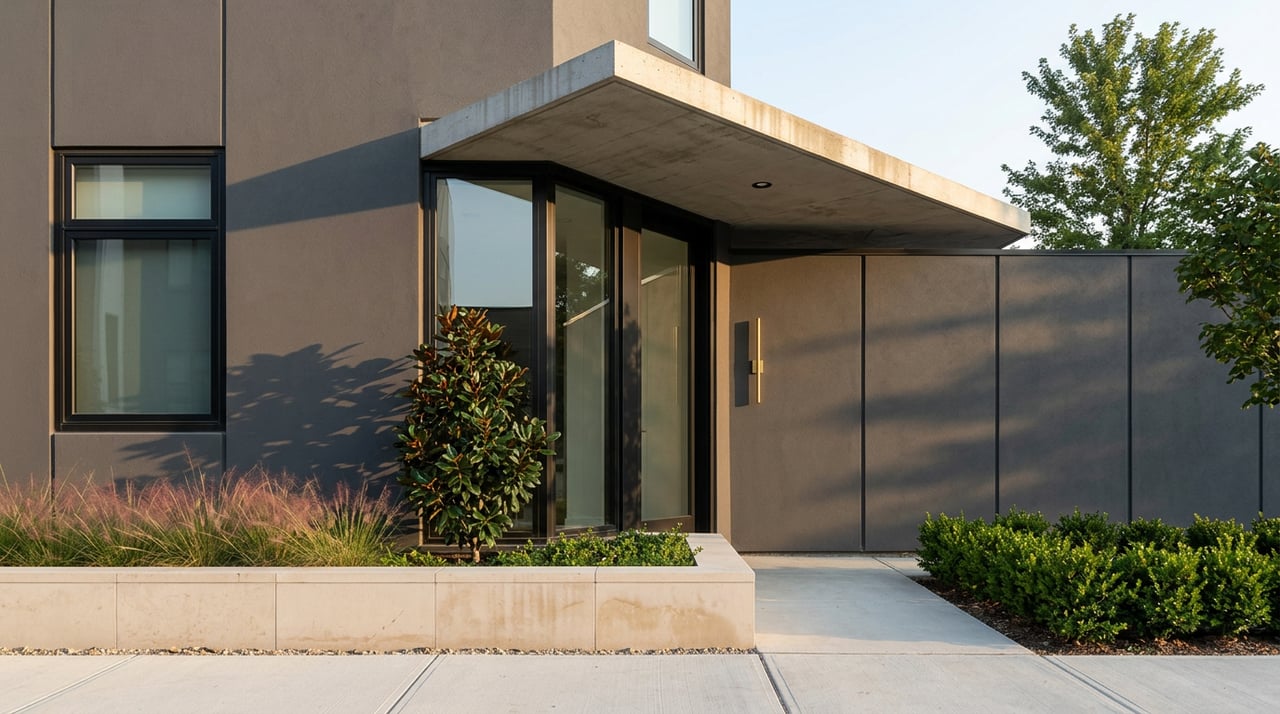
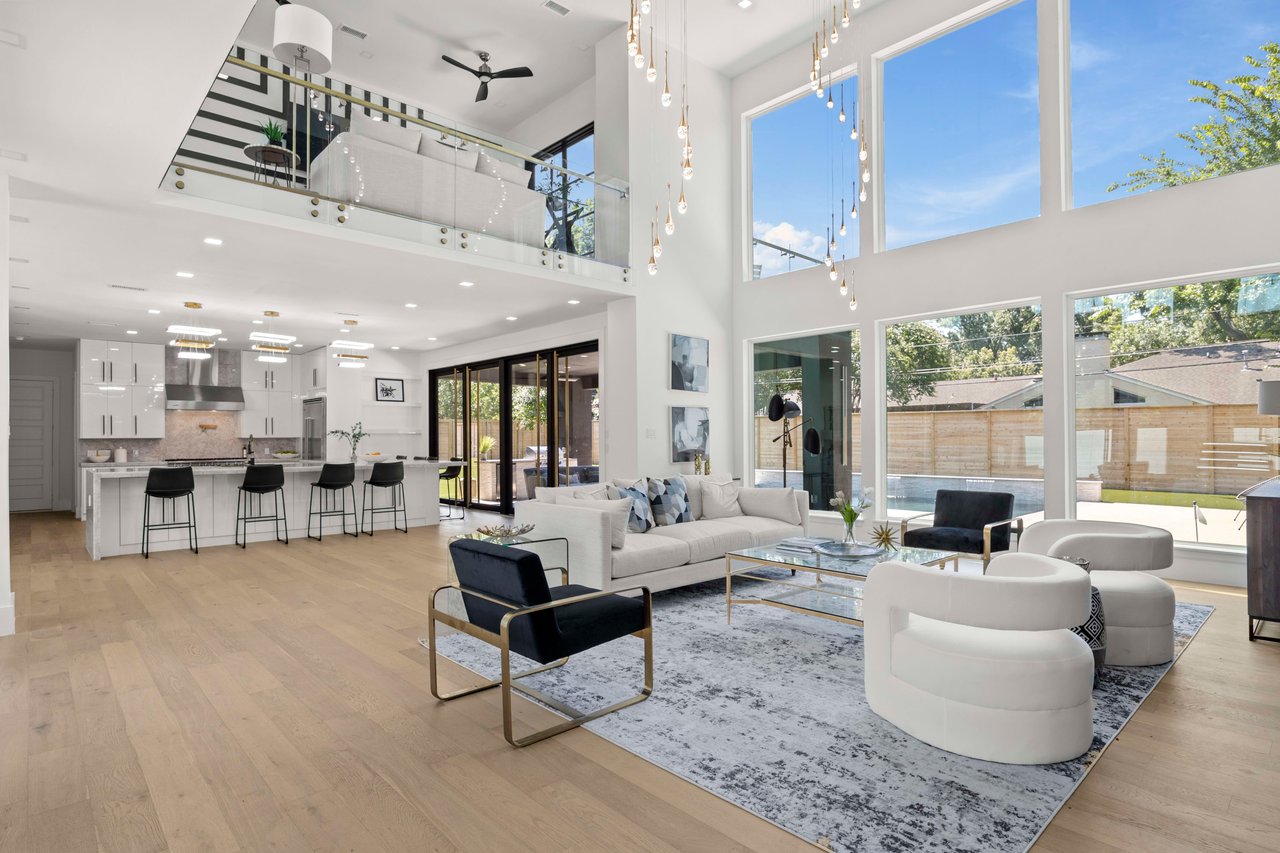
- Signature features: Clean lines, large glass walls, open plans, mixed materials like glass, steel, stucco, and wood. Roofs are often flat or low‑sloped.
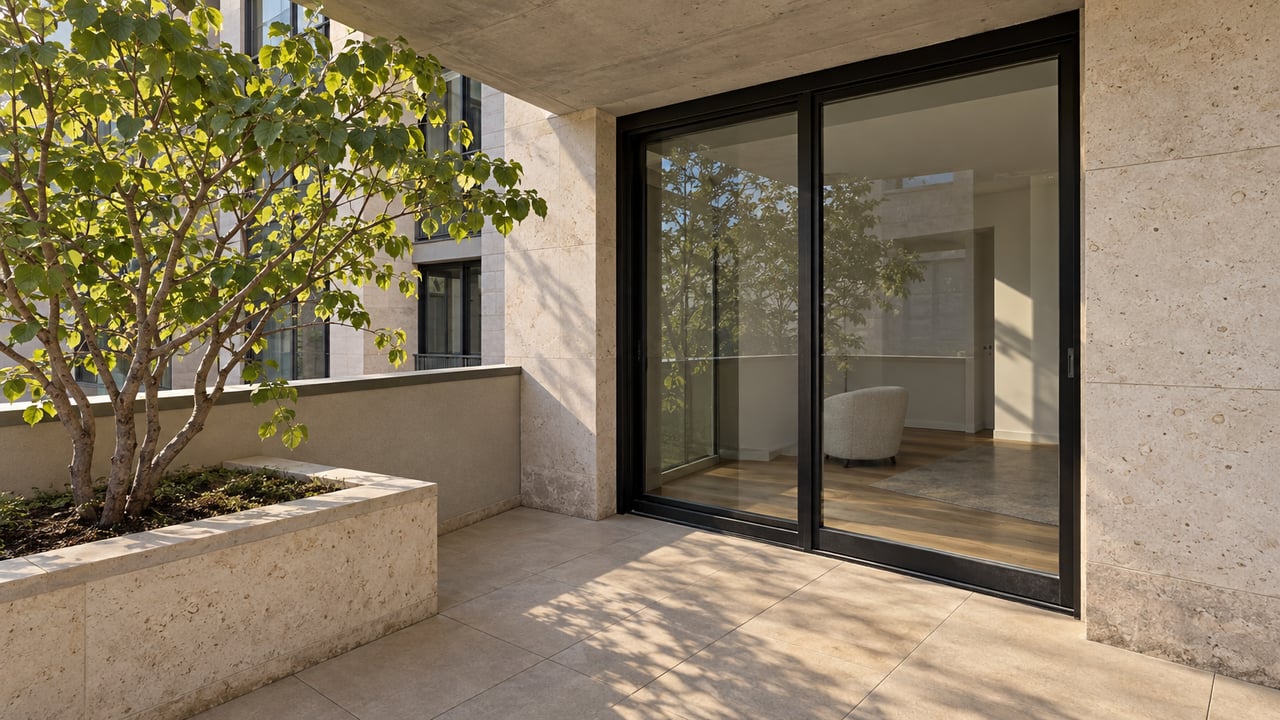
- How it lives: Bright, open interiors with strong sightlines for entertaining. Sliding doors and terraces blur the line between inside and out.
- Maintenance notes: High‑performance glazing and HVAC systems need routine care. Some claddings, like wood or composite panels, require specialized maintenance.
- Value snapshot: Modern systems and flexible layouts appeal to buyers seeking technology and sustainability upgrades. Quality windows and mechanicals matter.
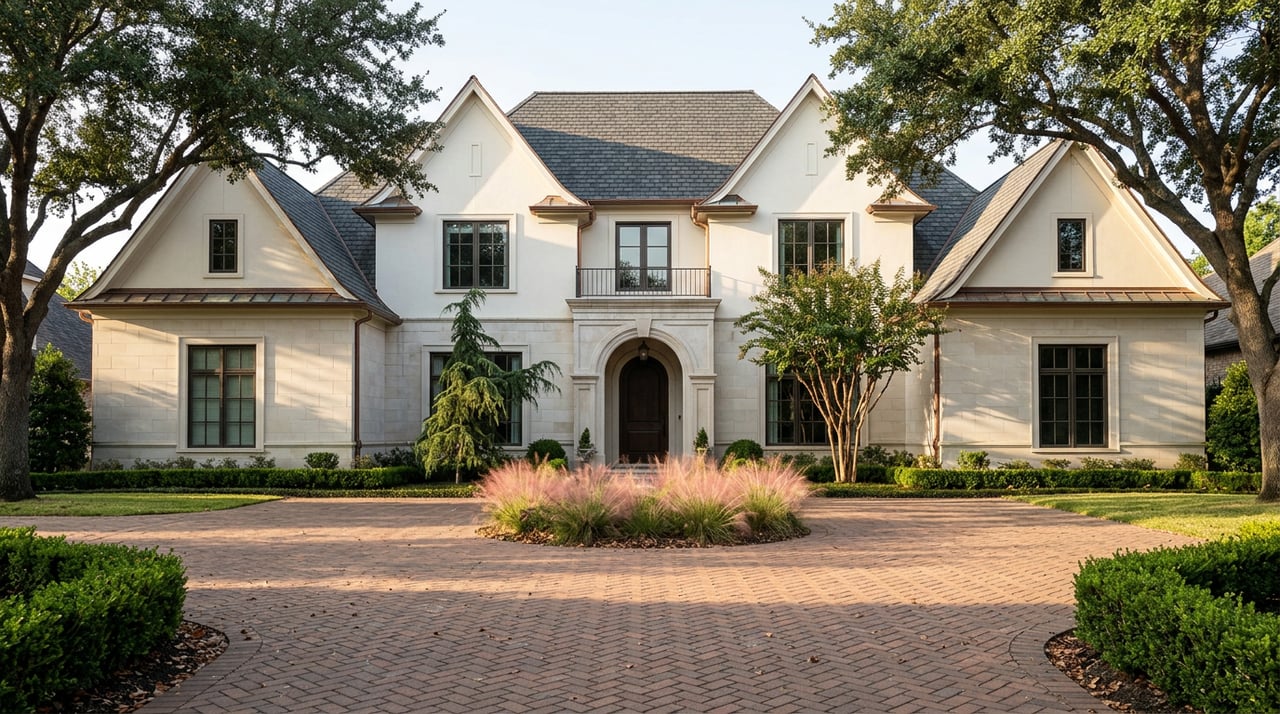
French Eclectic / European Revival
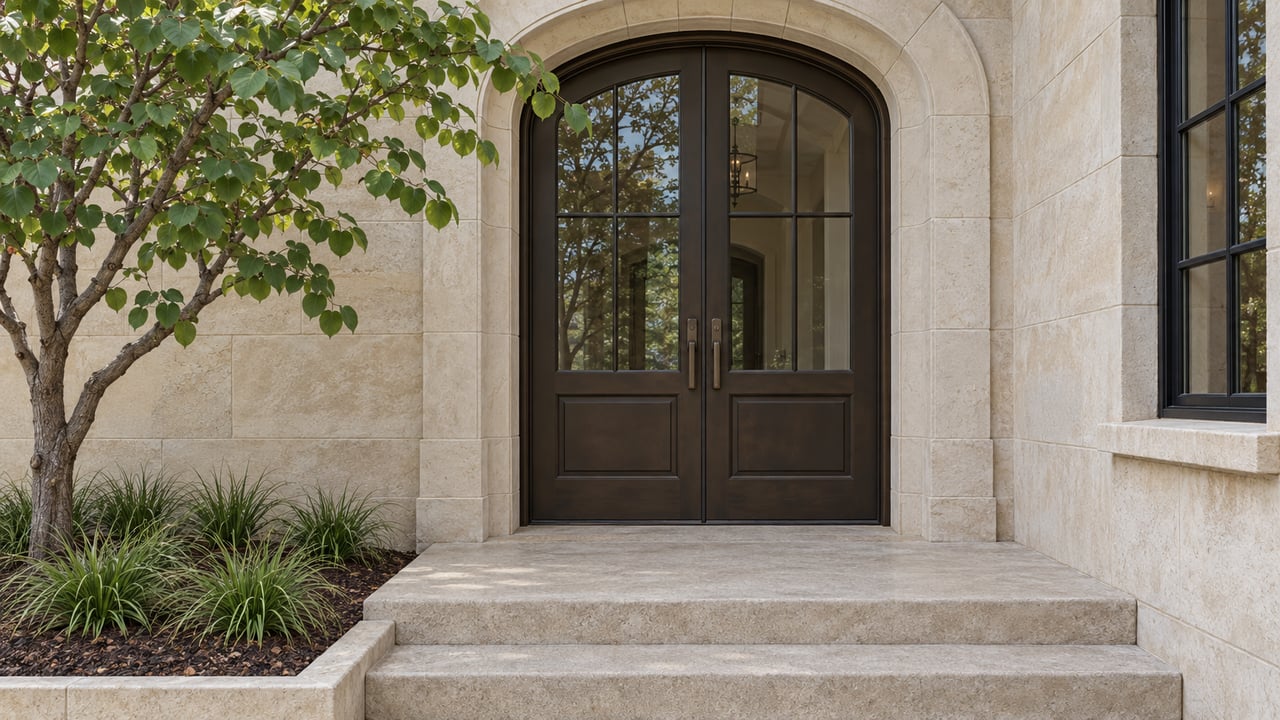
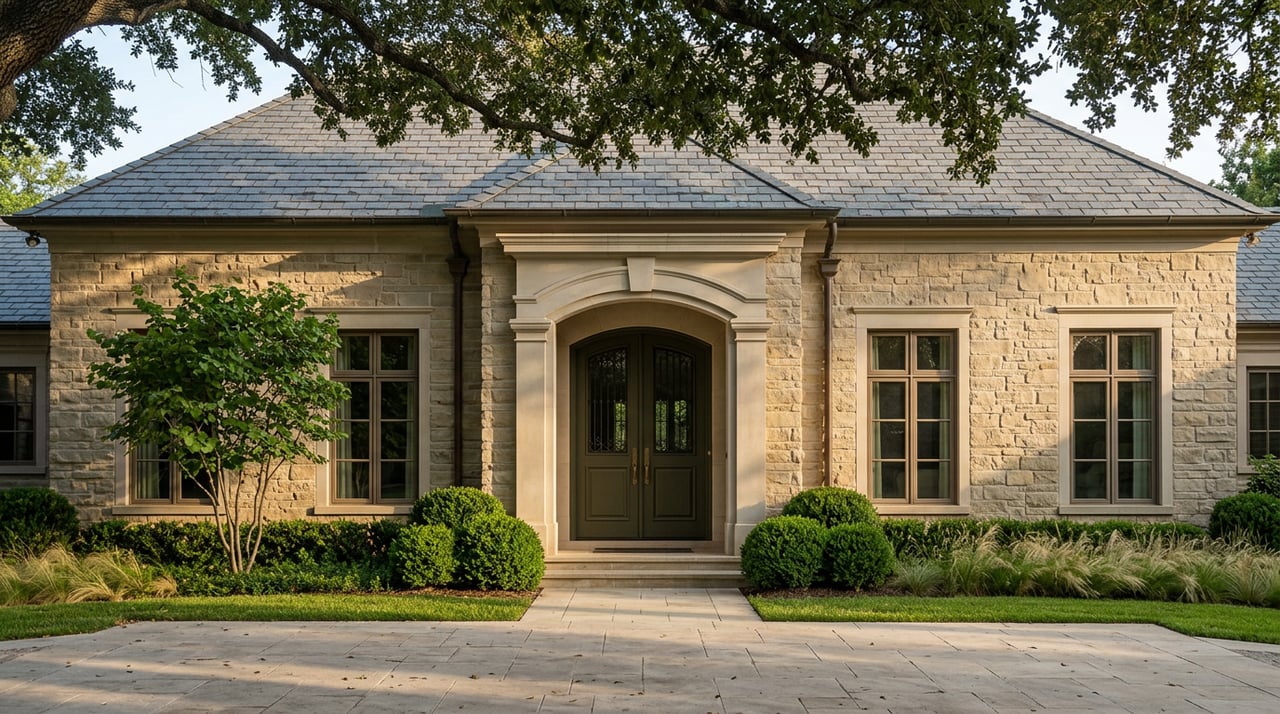
- Signature features: Steep hipped roofs, tall windows with detailed casings or shutters, stucco or stone veneers, and formal symmetry.
- How it lives: Well‑scaled formal rooms and terraces support entertaining. Primary suites are often generous.
- Maintenance notes: Stone and stucco need periodic upkeep, with roof materials varying by property.
- Value snapshot: Classic curb appeal and balanced proportions stand out when craftsmanship is high.
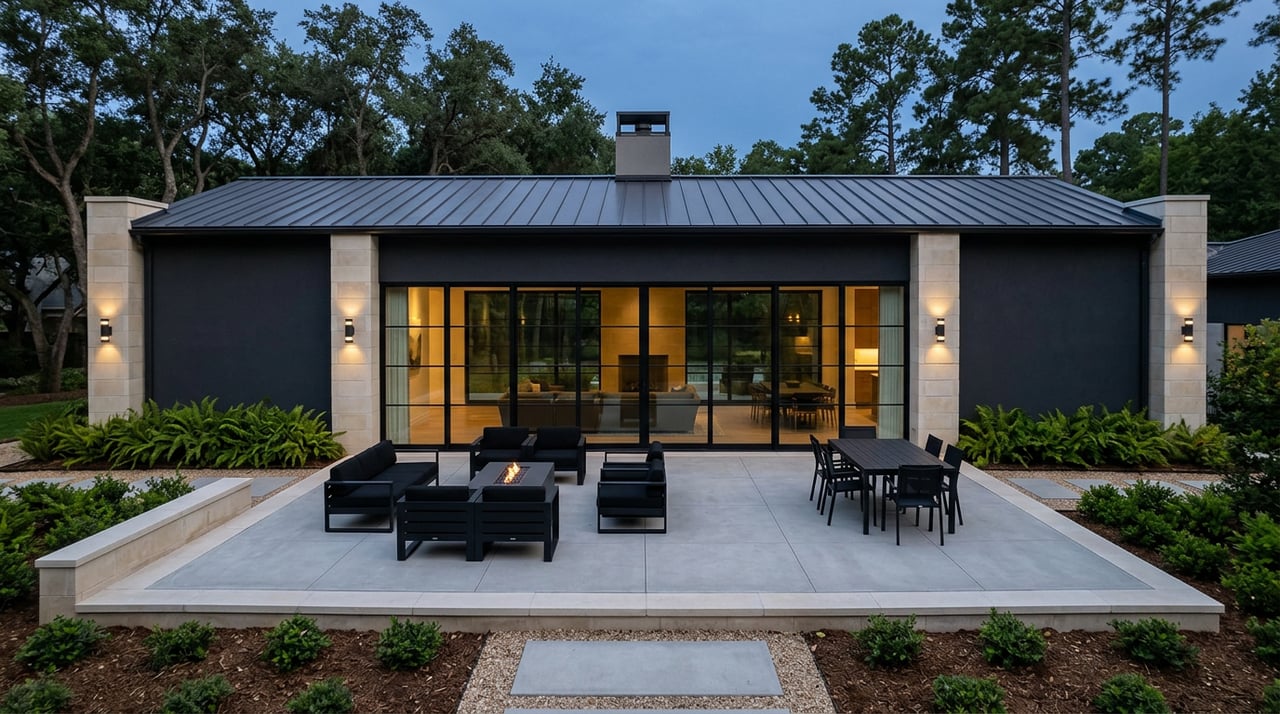
Ranch / Modern Ranch
- Signature features: Single‑story or split‑level massing, long horizontal lines, broad patios and pool areas, and expansive garages. Luxury versions feature high ceilings in great rooms.
- How it lives: Easy single‑level movement with strong backyard connection. Many owners value the accessibility and flow.
- Maintenance notes: Larger roof area increases replacement costs and ongoing upkeep. Utility planning matters in bigger single‑story footprints.
- Value snapshot: Demand is strong for well‑planned one‑level living with thoughtful outdoor amenities.
Custom and hybrid estates
- Signature features: Blended elements are common, such as a Tudor exterior with a modern interior or a Mediterranean form with contemporary windows.
- How it lives: Flexibility is the draw. Expect tailored floor plans and curated material mixes.
- Maintenance notes: Verify how materials meet and are detailed at transitions. Workmanship quality is key.
- Value snapshot: Distinctive yet cohesive design can shine at resale, especially if updates respect the broader neighborhood language.
Lots, streetscapes, and landscape that shape value
Lot size and footprint
- Deeper lots with wider frontages allow generous setbacks, privacy, and room for pools, terraces, guest houses, and service drives.
- Side or rear garages reduce the visual impact of garage doors and elevate curb appeal.
Orientation and microclimate
- Orientation affects how rooms receive light and how outdoor areas perform in late‑day heat. Shading west‑facing facades and placing primary living areas to the north or east can improve comfort.
- Deep porches, covered patios, and loggias are common responses to the West Texas sun.
Streetscape elements
- Wide setbacks, mature trees, continuous sidewalks, and cohesive fencing or low walls project a luxury feel.
- Side‑entry garages, porte‑cocheres, and drive courts keep vehicle storage discreet and make arrivals feel refined.
Landscaping and privacy
- Layered plantings, hedges, and perimeter walls create privacy without feeling closed off.
- Drought‑tolerant plant palettes and xeriscaping suit Midland’s climate and reduce irrigation needs.
Ancillary features
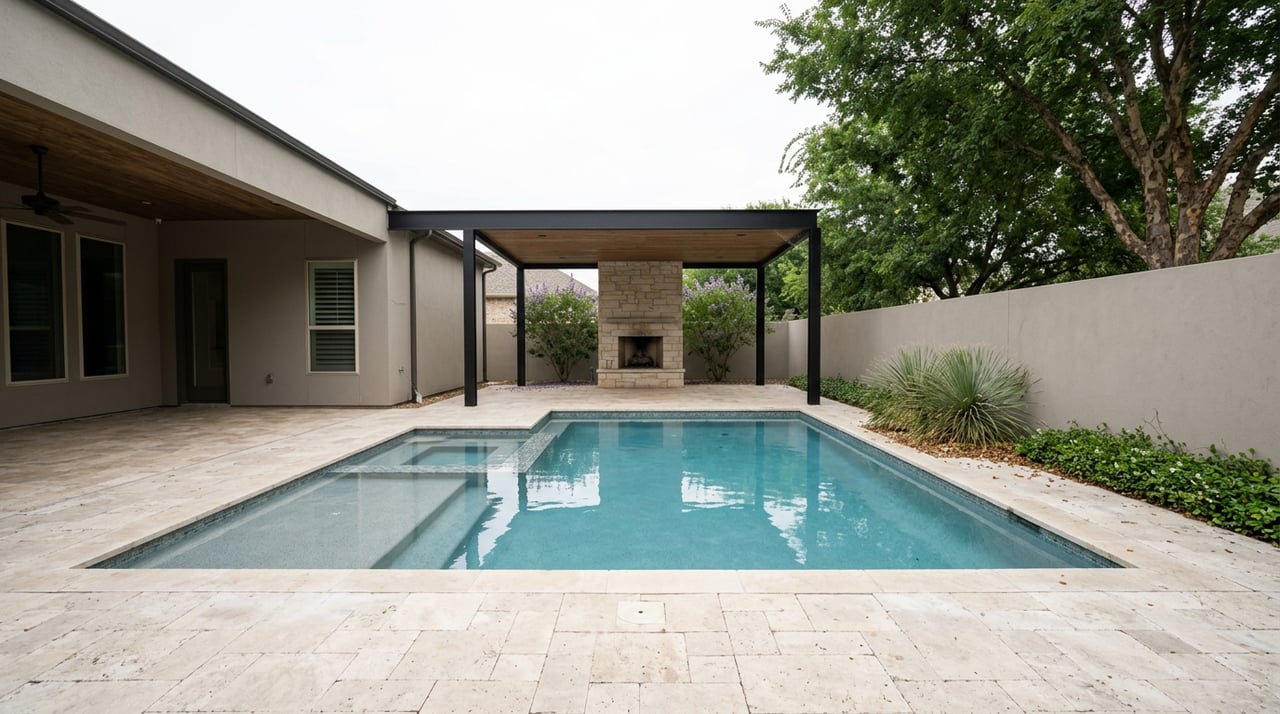
- Outdoor kitchens, pools and spas, guest or carriage houses, and well‑designed sport courts are common in luxury estates and add functional value.
How style shapes daily life in West Texas
Lifestyle and layout
- Traditional styles like Tudor and French often feature formal rooms that support elegant entertaining.
- Mediterranean and contemporary homes usually lean open plan and emphasize seamless outdoor connection.
- Choose a layout that matches how you live, from quiet reading rooms to expansive hosting spaces.
Energy performance and systems
- Expanses of glass in modern homes require high‑performance windows, solar‑control glazing, and smart HVAC zoning to keep energy costs in check.
- Thick masonry walls and tile roofs in Mediterranean designs provide thermal mass, but pairing them with updated insulation and efficient systems helps achieve best-in-class comfort.
Maintenance timelines and inspection priorities
Every home has a maintenance rhythm. Before you buy, and as you own, prioritize inspections that match the materials on site.
- Roofs: Asphalt shingles typically last 15 to 30 years. Concrete or clay tile can exceed 50 years, though underlayment may need earlier attention. Slate can last 75 years or more.
- Stucco/EIFS: Plan for periodic crack repair and re‑caulking. Proper detailing is critical to avoid water intrusion.
- Masonry/stone: Inspect for settlement and mortar joint wear. Tuckpointing preserves longevity and appearance.
- Wood trim and siding: Expect repainting or sealing every 3 to 7 years depending on sun exposure.
- Ironwork and metals: Regular rust prevention and repainting protect finishes and connections.
- Termites/pests: West Texas has termite risk. Schedule inspections and consider preventative treatments.
- Pools and water features: Build in seasonal service for pumps, filtration, heaters, and water chemistry. Plan for resurfacing or liner attention over time.
Resale, marketability, and smart updates
Respect context, elevate function
- Renovations that honor a home’s architectural language tend to preserve value better than changes that feel out of place.
- High‑impact upgrades in kitchens, baths, insulation, windows, and HVAC usually improve marketability across styles.
Outdoor living sells
- In Highland Park, buyers respond to complete outdoor rooms. Quality shade structures, integrated lighting, and well‑planned hardscape feel like an expansion of the home.
Think like an appraiser
- Comparable sales, lot configuration, condition, and quality of finishes all influence value. Unique custom features can be an asset, but they may narrow the comparable set. Documentation of upgrades helps.
Buyer checklist: walk a Highland Park showing
Use this quick list to focus your tour.
- Curb and streetscape: Note setbacks, tree canopy, sidewalk continuity, and garage placement.
- Orientation: Check where morning and afternoon light enter living areas and outdoor spaces.
- Roof and envelope: Identify roof type and visible condition. Scan stucco or masonry for cracks or gaps.
- Windows and doors: Look for quality glazing, smooth operation, and good seals. Ask about energy performance.
- Outdoor rooms: Evaluate shading, airflow, and how patios or courtyards connect to the kitchen and living areas.
- Mechanical systems: Ask the age and capacity of HVAC, water heaters, and pool equipment. Confirm zoning and recent service.
- Maintenance evidence: Look for fresh caulk, clean weep screeds, maintained mortar, and protected ironwork.
Seller playbook: highlight and prep by style
Show buyers the features that matter most.
- Tudor/French: Spotlight original woodwork, stone or brick craftsmanship, and well‑preserved period details. Stage formal rooms for conversation and dining.
- Mediterranean: Dress courtyards and loggias. Emphasize shade, airflow, and outdoor cooking or dining zones.
- Contemporary/Modern Farmhouse: Keep staging minimal and light. Showcase glazing, indoor‑outdoor transitions, and updated systems.
- Ranch/Modern Ranch: Underscore single‑level convenience, backyard flow, and any high‑ceiling great rooms.
- All styles: Provide a maintenance log, roof type and age, window specifications, insulation notes, and recent service records.
Know the rules and verify before you renovate
Before planning additions or major exterior changes, confirm local requirements.
- Permits and codes: Check with the City of Midland Planning and Development and Midland County for building permits, setbacks, height limits, accessory structures, and right‑of‑way considerations.
- Historic or conservation status: Determine whether your property or street has any local overlay or guidelines that affect exterior changes. Owners of properties with state or local historic status may have obligations and potential incentives.
- Inspections and due diligence: A thorough approach typically includes general home, roof, mechanical/HVAC, termite, and pool inspections. Consider structural or masonry specialists if materials or movement suggest it.
- Flood and drainage: For homes near drainageways or with past issues, review floodplain maps and confirm insurance implications.
- Market data: Use local MLS and the Midland County Appraisal District to verify lot dimensions, assessed values, and recent sales when evaluating price and improvements.
Bringing it all together
In Highland Park, Midland, luxury is a mix of architecture, lot design, and the everyday comfort of well‑planned outdoor spaces. Whether you are drawn to a timeless Tudor, a sun‑splashed Mediterranean, or a glassy contemporary, your best move is to align style with how you live and maintain it with care. Smart upgrades that respect the design language will protect your investment and make life more enjoyable.
If you are weighing options or preparing to list, a design‑first, lifestyle‑led plan can make all the difference. For a thoughtful strategy tailored to your goals, connect with Noe De Leon. Begin your lifestyle search today.
FAQs
What architectural styles define Highland Park in Midland?
- Tudor Revival, Mediterranean/Spanish Revival, Contemporary/Modern, French Eclectic, Ranch/Modern Ranch, and custom hybrids are all common in luxury estates.
How does style affect daily living in West Texas heat?
- Mediterranean and modern homes often have shaded outdoor rooms and strong indoor‑outdoor flow, while traditional styles favor formal rooms that feel cozy and contained.
Which roof types are most durable on luxury homes?
- Concrete or clay tile can exceed 50 years, slate can surpass 75 years, and asphalt shingles typically last 15 to 30 years depending on materials and installation.
What maintenance issues should buyers plan for in stucco or masonry homes?
- Expect periodic crack repair, re‑caulking, and mortar maintenance, along with careful inspection for settlement and proper water management.
How do large windows in modern homes impact energy use?
- Expanses of glass require high‑performance glazing and well‑zoned HVAC to control heat gain and maintain comfort without excessive energy costs.
What outdoor features add the most value in Highland Park?
- Well‑designed courtyards, covered patios, outdoor kitchens, pools, and discreet garage placement typically boost both livability and market appeal.