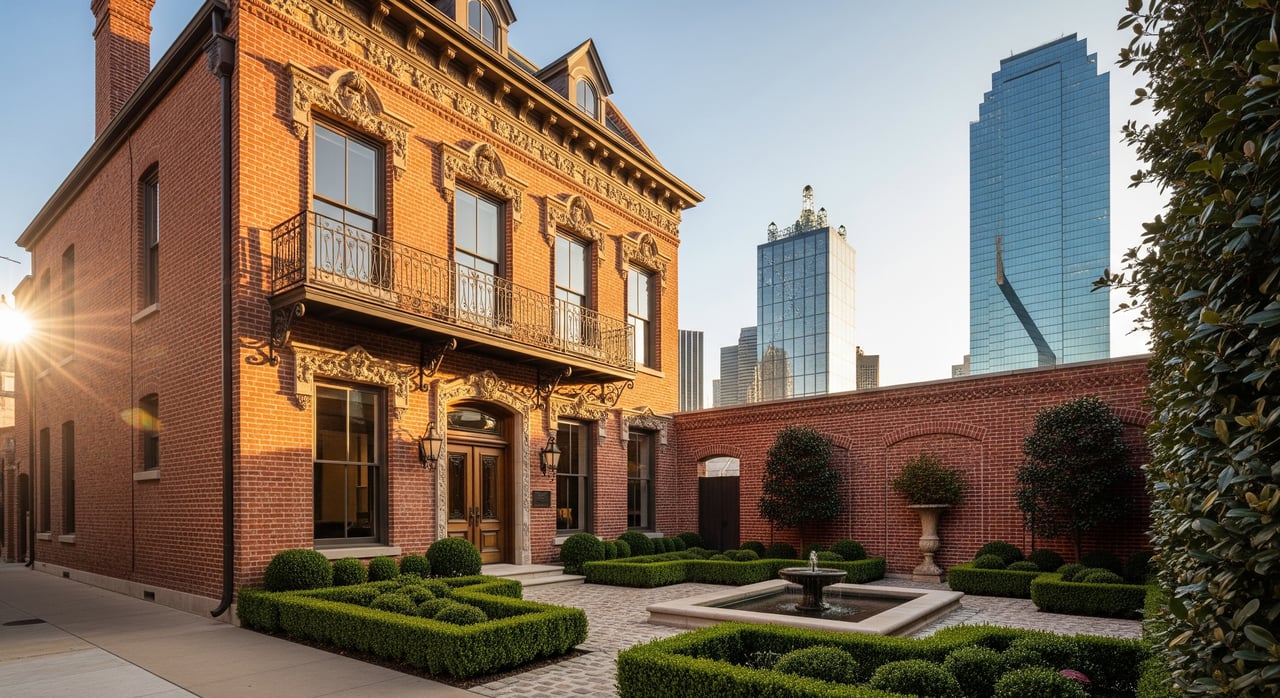
Dallas Luxury Market Drivers for Downtown Condos
November 21, 2025
November 21, 2025
What makes one Downtown Dallas penthouse soar while another lingers? In a compact historic district with distinctive buildings and a selective buyer pool, prices respond to a different set of levers than the broader market. If you understand who is buying, what is for sale, and which features create real premiums, you can navigate with confidence. This guide breaks down the forces that move luxury prices in the Downtown Historic District and how to read them in real time. Let’s dive in.
Luxury real estate does not behave like the rest of the market. In the Downtown Historic District, a few transactions can shift averages because the sample size is small. That means one trophy sale can pull the mean price up, while the median often tells a steadier story.
Quality and uniqueness weigh heavily. View corridors, floor level, historic character, private parking, and amenity packages can sway values more than citywide trends. You will also see more cash buyers, corporate relocations, and second-home purchases, which changes how interest rates ripple through demand.
Supply is naturally tight. Historic preservation, lot scarcity, and structural constraints slow new luxury inventory. When demand rises, prices can move quickly; when demand softens, limited supply often helps floors hold.
To frame decisions, focus on three things:
Dallas–Fort Worth attracts corporate headquarters and expansions. When executive teams lease offices downtown or open new practice groups, nearby luxury condos become appealing. Watch for office leasing announcements, law firm growth, and financial services moves that add high-income professionals to the downtown buyer pool.
Growth in higher-earning households within an easy commute supports demand for premium urban homes. Regional employment and wage trends, along with income distribution shifts, help explain why certain price tiers see more depth.
Typical Downtown luxury buyers include relocating executives, tech and finance professionals who want walkable urban living, empty-nesters trading maintenance for convenience, and second-home or pied-à-terre buyers. Features that often command premiums include large terraces with skyline views, secure and dedicated parking, concierge and valet services, private elevator access, generous ceiling heights in loft conversions, and turnkey, design-forward finishes.
Rates matter, but unevenly. Luxury buyers often use cash or jumbo loans, so rate shocks soften demand most among mortgage-reliant segments. Jumbo loan pricing and availability, plus the spread to Treasuries, influence the financed share. Buildings with a heavier cash-buyer mix typically show more price resilience.
Stock market swings and broader economic headlines influence high-net-worth confidence. When asset values rise, more buyers step in for discretionary purchases. When volatility spikes, decision cycles lengthen and some deals pause.
In a small historic district, a handful of new listings or a single penthouse closing can shift price-per-square-foot metrics. Track seasonality and the mix of listings. Trophy units can skew monthly numbers, so confirm trends over 6 to 12 months.
Adaptive reuse and condo conversions add choice, but preservation rules, code requirements, and parking constraints make timelines longer and costs higher. A new high-end project can create competition for older stock or pull prices up by improving perceived quality in the submarket. The effect depends on scale, design, and delivery timing.
Thoughtful building upgrades and amenity overhauls can reprice an entire address. In historic conversions, lobby renovations, elevator modernization, wellness spaces, and facade restorations often translate into higher buyer willingness to pay. Quality and execution matter.
Investor appetite rises when short-term or corporate housing demand is strong and allowed by city and condo rules. If regulations tighten, some investor demand recedes, affecting pricing and days on market for investor-leaning floor plans.
Buyers in the Downtown Historic District pay up for real lifestyle value. The strongest premiums tend to attach to:
When you compare options, evaluate the total lifestyle package. Two units with similar square footage can trade very differently if one delivers outdoor living, top-tier parking, and a concierge while the other does not.
To understand direction and timing, track a small set of local metrics and how they move together.
A quick data-reading tip: When you see a headline about citywide price changes, verify whether Downtown’s inventory, pendings, and DOM are moving the same way. Local microdata tells the real story for this district.
In Dallas, property taxes are a meaningful part of carrying costs. Differences between assessed values and market prices can influence buyer decisions. For luxury purchases, tax line items are part of total affordability and can factor into negotiation.
Monthly dues support operations and reserves. High dues may be justified by strong services, but looming special assessments can reduce buyer appetite. Review recent HOA meeting notes, reserve studies, and capital project histories when evaluating a building.
Insurance coverage and premiums vary by building age, systems, and risk exposure. Older historic structures may require specialized coverage or upgrades. Buyers should evaluate policy scope, wind or flood considerations, and any recent changes in insurability that affect total cost of ownership.
Historic buildings deliver character, but they can carry higher maintenance and compliance costs for structural, accessibility, or life-safety systems. These realities can affect pricing, lender diligence, and time to close.
Not all market news applies to the Downtown Historic District. Use this checklist when you read a price headline:
If you are buying, focus on lifestyle value and building quality first, then negotiate around carry costs, HOA health, and any upcoming capital projects. Use median price-per-square-foot trends, days on market, and sold-to-list ratios to shape your offer strategy. Verify whether the unit’s features justify a premium relative to the closest true substitutes.
If you are selling, lead with design, presentation, and amenity storytelling. Elevate perceived value with high-impact media, highlight unique view lines and outdoor spaces, and bring clarity on HOA reserves and recent improvements. Price against the median within your building’s peer set, not across generic downtown comps, and monitor pending activity to catch the strongest demand windows.
When you want a partner who blends design-forward marketing with disciplined negotiation, reach out to Noe De Leon. Let’s align your lifestyle goals with a pricing strategy built for the Downtown Historic District.
Stay up to date on the latest real estate trends.
Negotiates some of the most recognizable modern/contemporary homes in the Dallas/Ft.Worth area. His new conversation in real estate is building a Luxury Real Estate Community where we foster knowledge and network, called the COLLECTIVE Luxury DFW. Contact Noé today.
Noé De Leon
[email protected]
(214) 207-9093
License #0614650
2482 Sedalia CT Frisco TX 75034