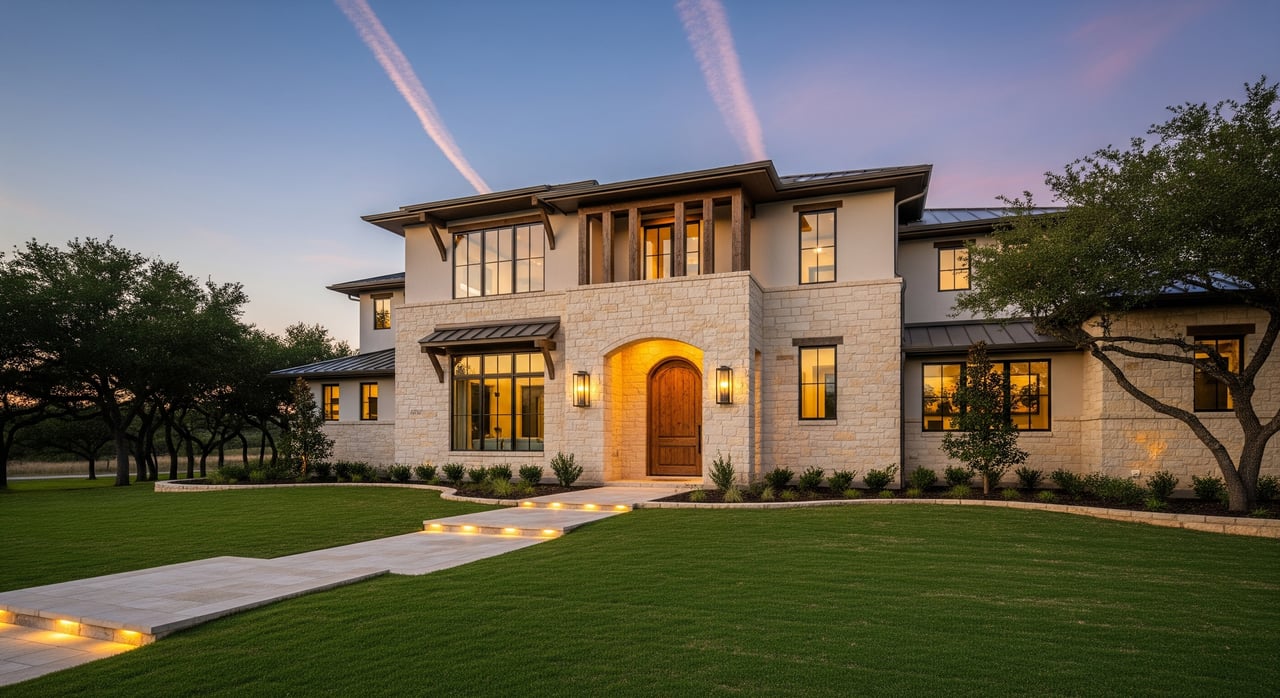
How to Choose the Best Prosper Luxury Home Builders
January 15, 2026
January 15, 2026
Thinking about building a luxury home in Prosper, but unsure how to choose the right builder or lot? You are not alone. With rapid growth across Collin County, you have more options than ever, yet the details can feel complex. In this guide, you will learn how to compare builder types, perform smart model-home due diligence, evaluate lot orientation and site factors, and navigate allowances, change orders, and warranties with confidence. Let’s dive in.
Spec, or inventory, homes are built before a buyer signs. You typically get the fastest move-in and a fixed price at sale. You can sometimes pick cosmetic finishes if you purchase early, but personalization is limited and the plan may not be ideal for the specific lot. Always compare what you see in the model to what is included in the spec you are buying.
Semi-custom or boutique builders offer standard plans with meaningful options. You can adjust finishes and some elements of the plan for a fee. This often balances customization with clearer pricing and faster timelines than full custom. Expect limits on major structural changes and have those boundaries clarified in writing.
Custom builders design or modify plans to your specifications. You gain control over siting, materials, and higher-end subcontractors. Timelines tend to be longer, costs can be higher, and you will make more decisions throughout. If you value design control and have patience for a detailed process, custom can be the right fit.
Model homes in Prosper often include upgraded finishes and designer features. Ask for the model’s spec sheet that separates standard items from options. Request the base plan, the plan as built for that model, and an itemized list of upgrade costs. Get written confirmation of any model features the builder will include in your contract.
Use qualified independent inspections at key stages of construction. Schedule pre-pour foundation review, pre-drywall checks for framing and mechanicals, and a thorough final inspection before closing. Consider specialists for HVAC balancing and energy testing on higher complexity homes. Confirm the builder permits independent inspectors on site and aligns with your timing.
Build a side-by-side matrix: base plan specs, model features, and your contract inclusions. Include allowance amounts for each finish category. This keeps conversations factual and prevents surprises later.
North Texas summers are hot, and west-facing glass can drive up cooling loads. Minimize large west-facing glazing where possible and confirm shading strategies, overhangs, and high-performance windows. Align HVAC sizing with the home’s orientation and window package. Thoughtful siting supports comfort and lower energy use.
Ask for a site grading plan and finished floor elevation relative to the street and neighboring lots. Expansive clay soils are common in Collin County, so verify whether a soils or geotechnical report was completed and how it informs the foundation design. Check FEMA flood maps and any local floodplain designations before you commit to the lot. Confirm that stormwater flows away from the home and into approved drainage paths.
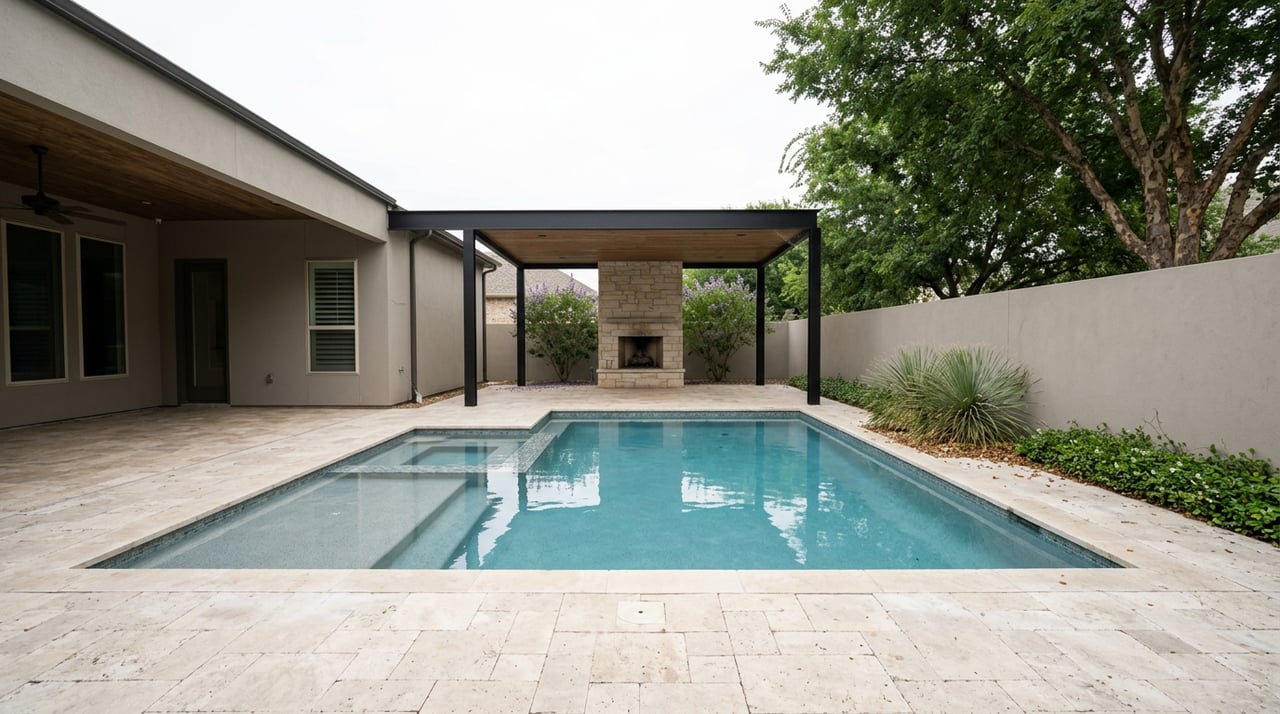
Identify utility and drainage easements and building setback lines early. These can affect pool placement, outbuildings, and privacy. Verify underground utility locations and any overhead lines that may influence site layout or landscaping. Ask for a lot plan that marks easements so you can plan outdoor living areas with confidence.
Prosper continues to grow, and community phasing can change surroundings over time. Ask about adjacent lot usage, timing of nearby construction, and any future amenities behind or beside your lot. Review HOA or architectural guidelines that govern exterior materials, rooflines, fences, and color palettes. Check proximity to major roads that can affect noise and nighttime lighting.
Obtain the builder’s contract package early. Review the build timeline, milestone dates, contingencies, and how delays are handled. Confirm the deposit structure, escrow details, and punch-list obligations. Require clear definitions of standard items versus options, plus an itemized allowance schedule for finishes.
Allowances cover categories like appliances, countertops, cabinetry, lighting, flooring, and landscaping. Be wary of low allowances that do not match the level of finishes you want. Ask for invoices or receipts at completion for transparent reconciliation. When you have specific selections, convert key allowances into fixed line items in the contract.
Confirm a written process: request, cost estimate, signed approval, and stated schedule impact. Ask whether change-order pricing includes subcontractor markups, general contractor overhead, and sales tax. Request a cap on markups where possible. Lock selections early to reduce late changes and delays.
Many new homes include a 1-year workmanship warranty, a 2-year systems warranty, and a 10-year structural warranty. Ask whether a third-party warranty provider is used and review coverage, exclusions, transferability, and claim procedures. Confirm service response times and whether warranty work is done by the builder or subcontractors. Keep records of required maintenance steps that might affect coverage.
Read arbitration or mediation clauses closely. Understand where disputes must be resolved and whether mediation is required before arbitration. Clarify how unresolved punch-list work is handled at close.
Most builders schedule design appointments for cabinetry, counters, tile, fixtures, lighting, flooring, appliances, and paint. Confirm whether selections happen in a design center or with an in-house or independent designer. Know your deadlines for each category since lead times can affect the build schedule. Ask how missed deadlines impact cost or completion.
High-end finishes often carry longer lead times. Ask for typical timelines on custom cabinetry, luxury appliances, specialty flooring, and millwork. Build schedule contingencies for items that have variable availability. The earlier you lock specifications, the smoother your project runs.
If you use an independent designer, clarify how they will interface with the builder’s procurement system. Confirm who creates final specifications and who manages site coordination. Ask how vendor discounts are handled and whether using outside sources affects warranties or installation responsibilities.
Set a 5 to 10 percent contingency within your finish budget. This cushions allowance overages or site-driven design changes. It also helps if lead times push you to alternate materials with different pricing.
Use these targeted questions to compare Prosper-area builders:
Request documentation in writing, including a sample purchase agreement and addenda, base plan and model upgrade list, allowances, warranty, recent Prosper addresses and references, construction schedule, insurance certificates, lot plan with easements, soils report if any, and HOA or ARC guidelines.
Every builder operates a bit differently, but a professional process often follows a structure like this:
A clear communication plan helps everything run smoothly. Ask for a single point of contact, regular status updates, and a shared portal or folder for permits, inspections, selections, and change orders.
If you want a strategic partner to compare builders, assess lots, and navigate selections with a design-first lens, our team is here to help. Reach out to Noe De Leon to Begin Your Lifestyle Search and map your next steps in Prosper.
Stay up to date on the latest real estate trends.
Negotiates some of the most recognizable modern/contemporary homes in the Dallas/Ft.Worth area. His new conversation in real estate is building a Luxury Real Estate Community where we foster knowledge and network, called the COLLECTIVE Luxury DFW. Contact Noé today.
Noé De Leon
[email protected]
(214) 207-9093
License #0614650
2482 Sedalia CT Frisco TX 75034