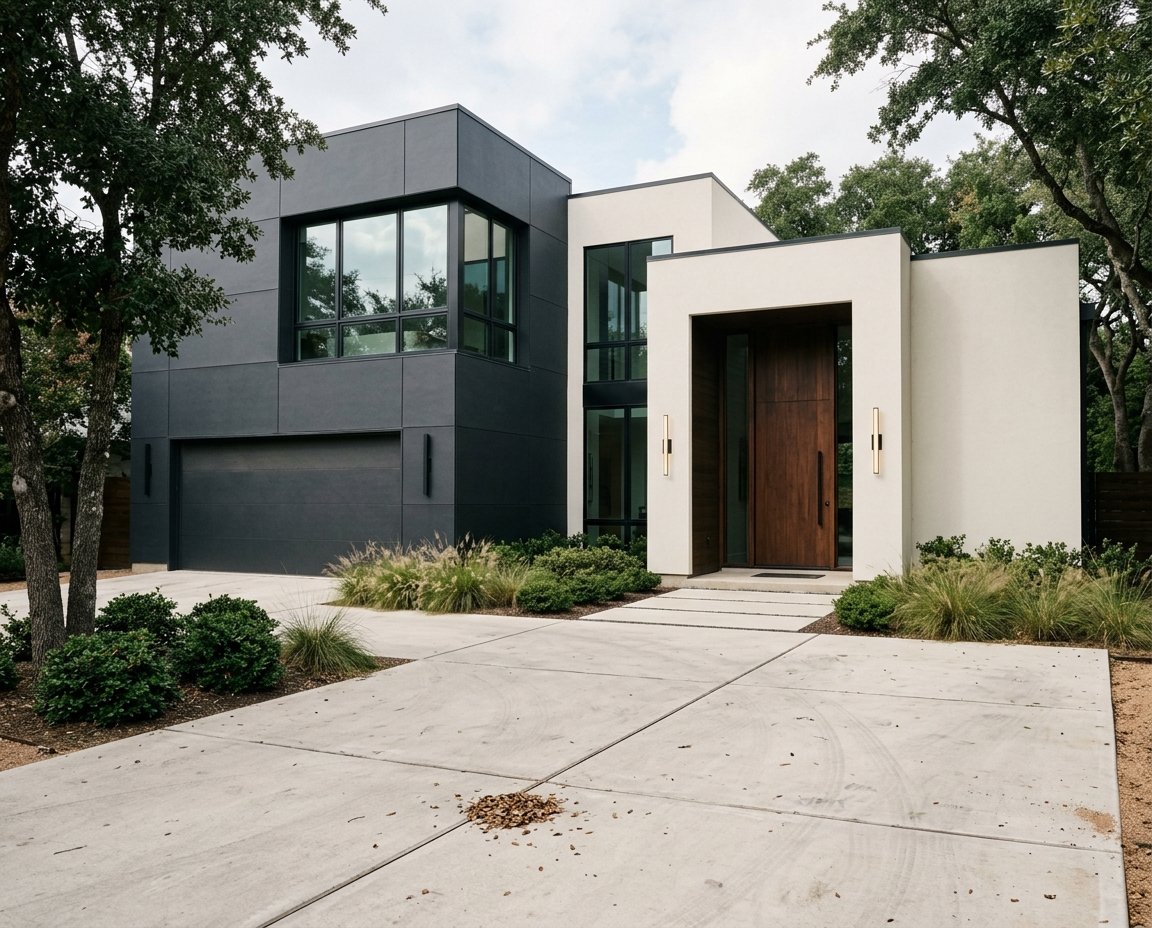
Planning a spring purchase on a luxury home in Frisco? You are smart to get your financing strategy dialed in now. Jumbo loans follow different rules than standard mortgages, and the details can shape your timeline, your rate, and even which homes make sense to pursue. In this guide, you will learn how jumbo limits work in Collin County, what lenders expect, how appraisals are handled for high‑end properties, and a clear path to pre‑approval. Let’s dive in.
Jumbo loans in Frisco: the basics
A jumbo loan is any mortgage that exceeds the conforming loan limit set by the Federal Housing Finance Agency. Loans above that limit are not eligible for purchase by Fannie Mae or Freddie Mac, which means lenders apply different underwriting and pricing standards.
For 2024, the FHFA baseline conforming loan limit is $766,550 for a one‑unit property in most counties. Collin County, where Frisco is located, follows this baseline. Any loan amount above that threshold is generally considered a jumbo loan for Frisco. Limits can change each year, so verify the current limit at the start of your search.
What this means for you: many luxury homes in Frisco will require a jumbo mortgage unless you bring a large enough down payment to keep the loan amount at or below the conforming cap.
Will you need a jumbo in Frisco?
If your target home price pushes the financed amount above the conforming cap, you will likely use a jumbo program. Buyers often compare two paths:
- Bring more cash to keep the loan at or below the conforming limit.
- Use a jumbo loan and preserve liquidity for reserves, improvements, or investments.
Jumbo options vary by lender. You will see conventional jumbos, portfolio loans, private bank programs, and bank‑statement options for self‑employed buyers. Expect differences in down payment, documentation, reserves, and rate offers from one lender to the next.
What lenders look for on jumbo loans
Jumbo underwriting is more conservative because these loans sit outside the conforming market. Lenders focus on your credit profile, liquidity, debt levels, income stability, property valuation, and reserves.
- Credit score: Many programs look for 700 to 740 or higher for best pricing. Some portfolio lenders accept lower scores with tradeoffs.
- Down payment: For primary residences, plan for 10% to 20%. The most favorable pricing often appears at 20% down. Second homes or investments typically require more.
- Debt‑to‑income ratio: Typical caps run 36% to 45%, depending on compensating strengths like high reserves.
- Reserves: It is common to see 6 to 12 months of PITI required after closing for primary residences. Higher reserves may be needed for second homes, investment properties, or higher loan‑to‑value scenarios.
Documentation you should prepare
Jumbo loans are documentation‑heavy. Having a clean, complete file speeds up underwriting.
- Recent pay stubs and employer verification
- Last 2 years of W‑2s; for self‑employed, last 2 years of personal and business tax returns, plus profit and loss statements
- 2 to 3 months of statements for all liquid assets; retirement statements if applicable
- Bank‑statement programs may request 12 to 24 months of statements in lieu of tax returns
- Gift letters for allowable funds, plus documentation of source and transfer
- 4506‑T for tax transcripts, credit report, explanations for large deposits or derogatory items
Lenders will review any large, non‑payroll deposits. Be ready to document the source of funds for transfers, gifts, asset sales, and brokerage liquidations.
Appraisals for luxury homes in Frisco
High‑end properties often have fewer comparable sales, more custom finishes, and unique lots or amenities. That makes valuation more complex, and lenders apply extra care.
- Expect a local, luxury‑experienced appraiser and a more detailed report. Some lenders order a second valuation or a desk review.
- For custom or new construction, appraisers may use the cost approach and request builder contracts, specifications, and certificates of occupancy.
- In neighborhoods with limited recent luxury closings, appraisers may pull comps from a wider radius or older periods, which can influence the final value.
- For condos or communities with specific project traits, lenders will review HOA budgets, reserves, litigation, and owner concentration. Some projects are treated as non‑warrantable and may require larger down payments or specific lenders.
Practical takeaway: align your search with appraisal realities. If a property is very unique, plan for a detailed valuation process and have a strategy if the appraisal comes in below contract price.
Rate dynamics and product choices
Jumbo pricing moves with broader capital markets and investor demand. Sometimes jumbo rates are higher than conforming; at other times, spreads tighten. Pricing also varies widely by lender and product.
Common jumbo options include fixed‑rate loans, ARMs, portfolio loans, bank‑statement programs for self‑employed buyers, and private bank relationship loans. Some lenders offer interest‑only or jumbo ARM structures. These can be useful tools for cash flow and asset planning, but they carry different risks. Match the product to your time horizon and liquidity plan.
Locks, timing, and closing workflow
Spring is a busy season in the DFW area, and jumbo timelines often run longer than conforming. Build in buffer.
- Pre‑approval: 1 to 7 business days with complete documents.
- Appraisal: 7 to 14 days from order to report, sometimes longer in peak seasons or for specialized properties.
- Underwriting to clear to close: typically 2 to 4 weeks after contract for conventional jumbos; 4 to 8 weeks for complex files or new construction.
- Closing window: it is prudent to plan for 30 to 60 days from contract to close.
Talk with your lender about rate locks. Standard locks are often 30 to 60 days. Extended locks exist for longer timelines and usually come with fees. Ask about float‑down or re‑lock features in case rates improve.
A clear path to pre‑approval
Getting fully prepared before you shop helps you compete and reduces surprises.
- Initial financial readiness (1 to 3 days)
- Gather 2 years of W‑2s and/or tax returns, 60 to 90 days of bank and brokerage statements, recent pay stubs, retirement account statements, and your ID for credit.
- List monthly debts and run a quick net‑worth and liquidity check against your target price and down payment.
- Select the right lender type (1 to 3 days)
- Compare a conventional jumbo, a portfolio lender, a bank‑statement program if self‑employed, or a private bank relationship option.
- Request side‑by‑side illustrations of rates, fees, reserves, and documentation.
- Submit full application (1 to 5 days)
- Provide a signed application, consent for credit, and complete documents.
- Ask for your exact reserve requirement in months of PITI and in dollars.
- Receive pre‑approval or conditional approval (3 to 7 days)
- Your letter should state the approved amount, required down payment, reserves, and any program limits.
- Discuss lock options and an expected lock window that fits your target closing date.
- Under contract to clear to close
- Your lender will order appraisal, title, and any HOA reviews, then complete underwriting. Respond to conditions quickly, especially documentation for large deposits or business activity.
How Identity House aligns financing with your search
Identity House Real Estate coordinates your financing steps with the realities of Frisco’s luxury market so your offer and closing plan stay on track.
- Early lender introductions: We connect you with proven jumbo and portfolio lenders that regularly fund luxury deals in Frisco.
- Neighborhood and property context: We share your target areas and price bands with the lender to surface appraisal considerations and reserve expectations early.
- Appraisal readiness: We arrange fast property access and provide relevant comparable sales, builder contracts, and amenity notes to support valuation.
- HOA coordination: We gather budgets, documents, and details quickly for any condo or master‑planned community review.
- Timeline management: We align appraisal ordering, inspections, and your preferred closing date with the lender’s lock window and capacity.
- Negotiation with financing in view: We manage repair requests and re‑inspection requirements with your loan type and timeline in mind.
Your jumbo document checklist
Use this to get pre‑approval ready fast.
- Government ID and SSN
- Last 2 years of tax returns (personal and business if applicable)
- Year‑to‑date pay stubs for the last 30 days and W‑2s for the last 2 years
- 60 to 90 days of bank and brokerage statements
- Retirement account statements if using funds
- Explanations and source documentation for large deposits or transfers
- Signed 4506‑T for tax transcripts
- Purchase contract once under contract
- HOA or condo documents if applicable
Smart planning tips for Frisco luxury buyers
- Start documentation early. Completeness is the fastest path through jumbo underwriting.
- Confirm how appraisers will approach valuation for your target neighborhood, especially for custom or new builds.
- Budget for higher closing costs, a potential second appraisal, and larger reserves than conforming loans.
- Build a 2 to 3 week cushion into your spring closing to account for appraisal volume and lender pipeline.
Ready to position your spring purchase for success? Connect with Identity House Real Estate to align your search, your financing, and your closing strategy. Begin Your Lifestyle Search.
FAQs
What is a jumbo loan in Collin County?
- A jumbo loan is any mortgage that exceeds the FHFA conforming limit, which is set at $766,550 for 2024 in Collin County; amounts above that are typically jumbo.
How much down payment do jumbo loans require in Frisco?
- Many lenders look for 10% to 20% down for primary residences, with the best pricing and terms often appearing at 20%.
What credit score and DTI do lenders expect?
- Strong jumbo files often show credit scores in the 700 to 740 range and debt‑to‑income ratios capped around 36% to 45%, depending on reserves and other strengths.
How are luxury home appraisals handled in Frisco?
- Lenders use experienced local appraisers, sometimes order a second review, and may rely on a wider radius or older comps when recent luxury sales are limited.
How long does a jumbo loan take to close in spring?
- With a complete file, plan for 30 to 60 days from contract to close, allowing 7 to 14 days for appraisal and 2 to 4 weeks for underwriting.
Can I use gift funds for a jumbo down payment?
- Many programs allow gift funds with proper documentation and sourcing, but rules vary by lender and loan type.