Timarron Golf Course Home Design Tips for Everyday Living
October 9, 2025
October 9, 2025
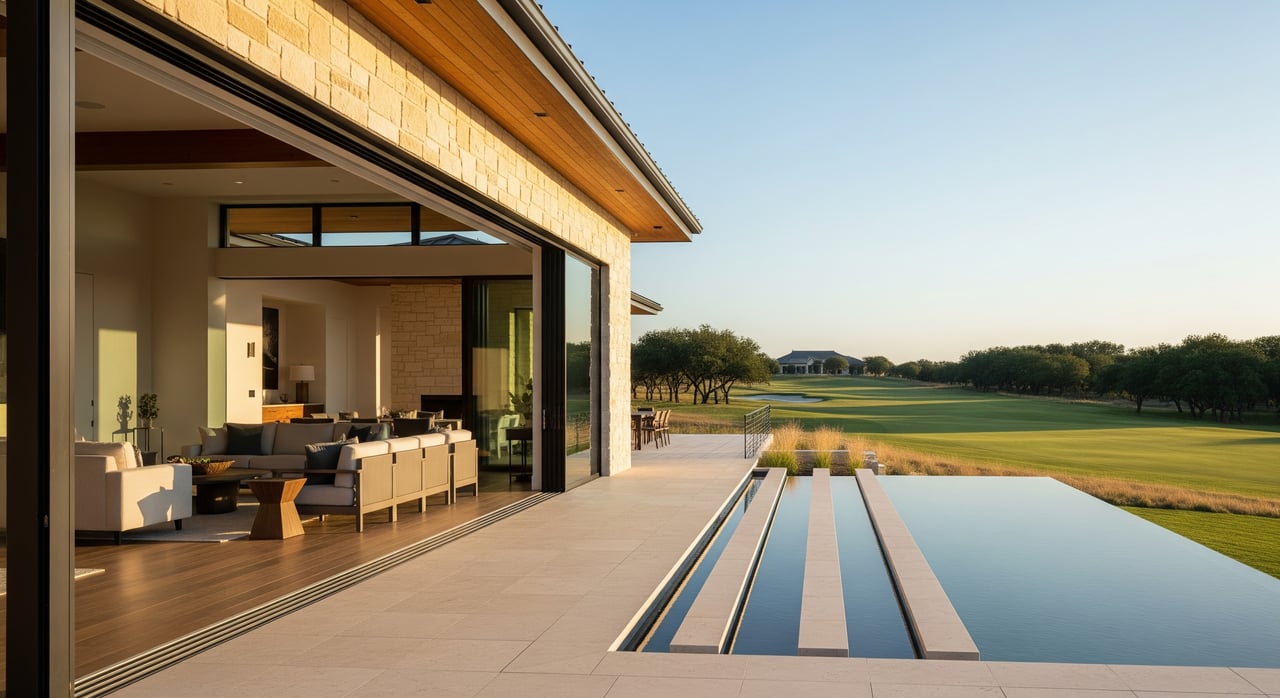
Golf-course homes invite a different kind of design thinking. In Timarron, the landscape is your backdrop and the course sets the rhythm of daily life. The most successful projects balance long fairway views with privacy, safety, and a seamless indoor–outdoor flow. With a thoughtful plan, you can celebrate the setting without giving up comfort or discretion.
Golf-course living is a visual gift and a planning challenge. You want sweeping sightlines to the fairway and green, but you also need shade, privacy, and protection from the occasional errant shot. In Timarron, you layer those needs with community standards and review procedures that keep the neighborhood cohesive. The Timarron Owners Association uses a Design Review process for exterior work, and golf-course properties have additional guidelines you must respect according to the TOA governing documents.
The design goal is simple: curate the view, choreograph movement between rooms and terraces, control light and sound, and keep safety solutions elegant and discreet.
Start with orientation. Place your main living areas, kitchen, and primary suite along the fairway side. Use well-proportioned window groupings to frame long views without creating glare. In North Texas, direct east and west sun can spike summer heat. Balance large glass with shade devices like deep overhangs, awnings, or solar screens, and specify low solar heat gain glass to cut heat while preserving clarity per ENERGY STAR guidance on high-performance glazing.
If you have flexibility in a remodel or new build, consider an elongated east–west house axis so the smallest walls face the harshest sun. Concentrate most glass on the south side where shading is easier to control seasonally, a common passive strategy in hot-summer climates as outlined by building science resources.
Privacy and views can coexist. Think in layers:
Use slight grade changes, seat walls, and planters to create intimate zones. Choose species that thrive in DFW conditions and provide year-round structure; native and adapted plants often deliver the best mix of resilience and low maintenance see regional native design concepts.
Safety should be quiet and integrated. Map risk zones relative to tee boxes, doglegs, and greens. Then combine measures that blend in:
Always coordinate with TOA guidelines for what is permissible along the course edge per the governing documents.
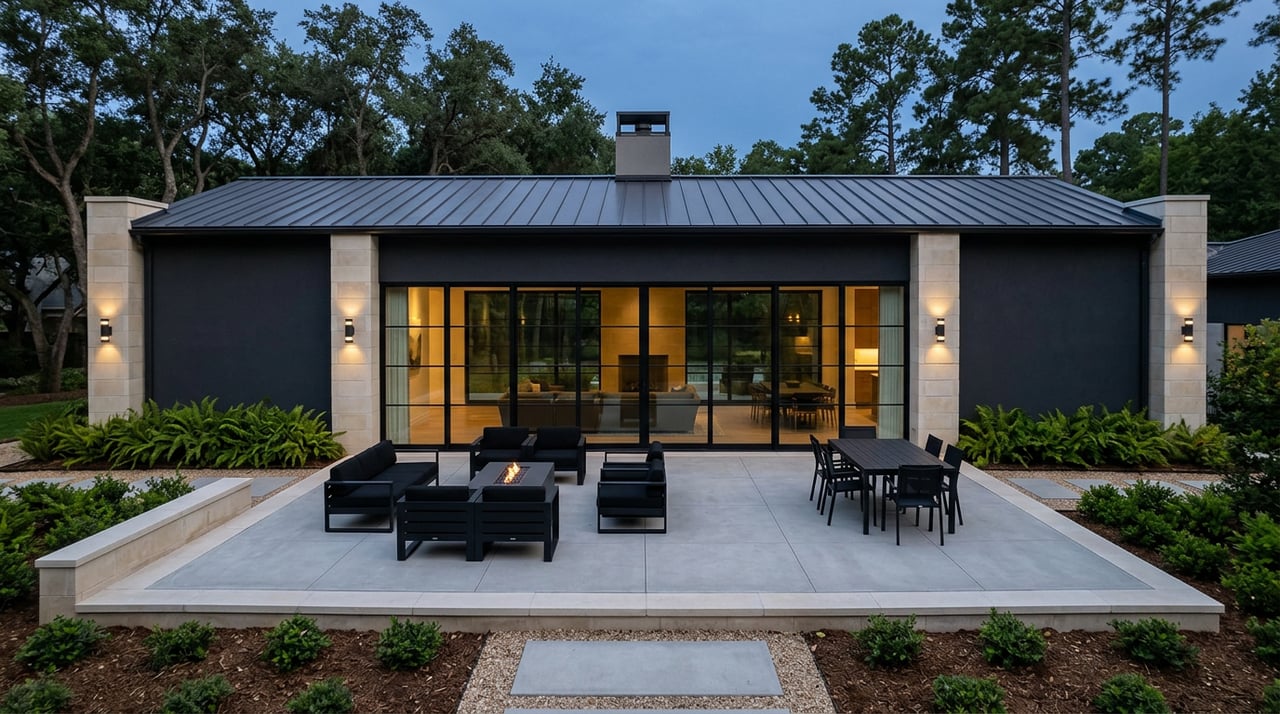
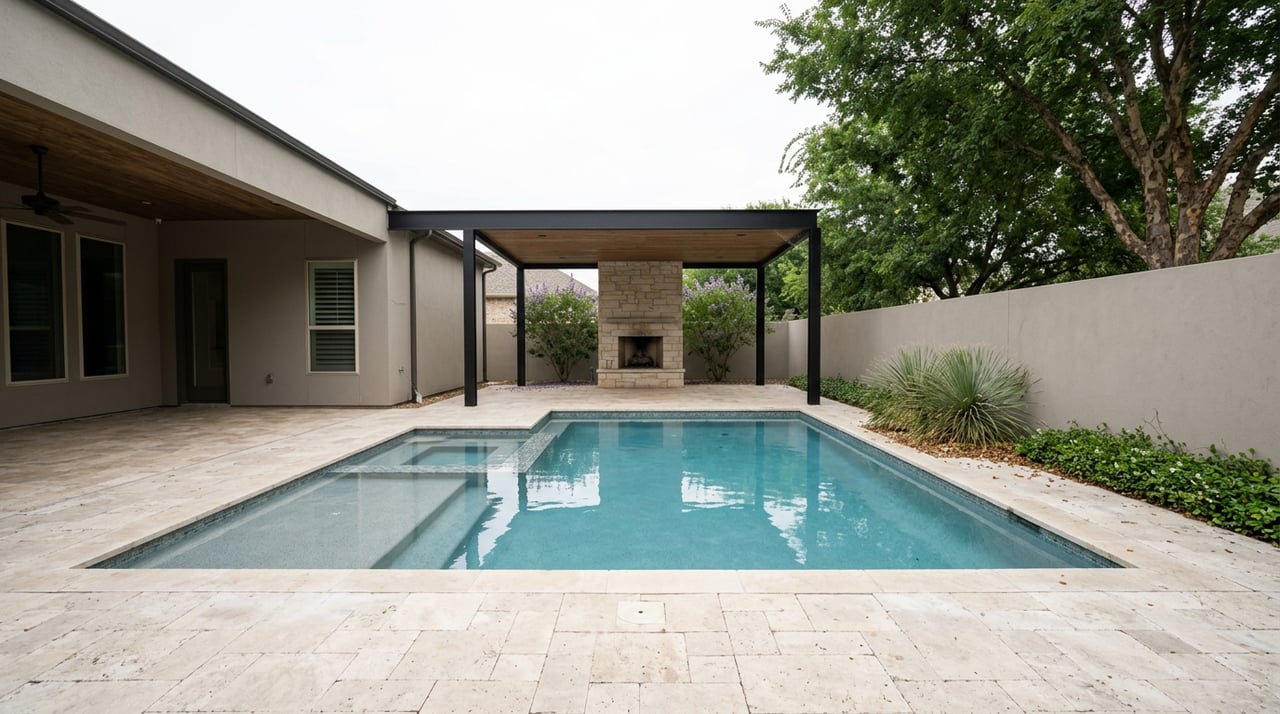
Place covered terraces where you can enjoy shade, air movement, and the best long view. Organize the program so the kitchen, grill, and dining are close to the interior kitchen, with lounging and fire features set where you can watch the fairway without glare.
Pools and water features should respect setbacks, drainage paths, and any easements. In Southlake, many exterior projects require permits and inspections. Pools, significant grading, and accessory structures typically go through the city’s permitting process, so align your design schedule with approvals early see Southlake residential permitting. Submit your HOA modification request in parallel to keep timelines tight review TOA modification forms.
Great lighting feels like a glow, not a glare. Use shielded fixtures, warm color temperatures, and low mounting heights. Aim lights down and in, accent trees and architectural features, and add subtle path lighting for safety. Keep bright task lighting on dimmers and timers, and avoid uplights that spill onto the course or neighboring homes.
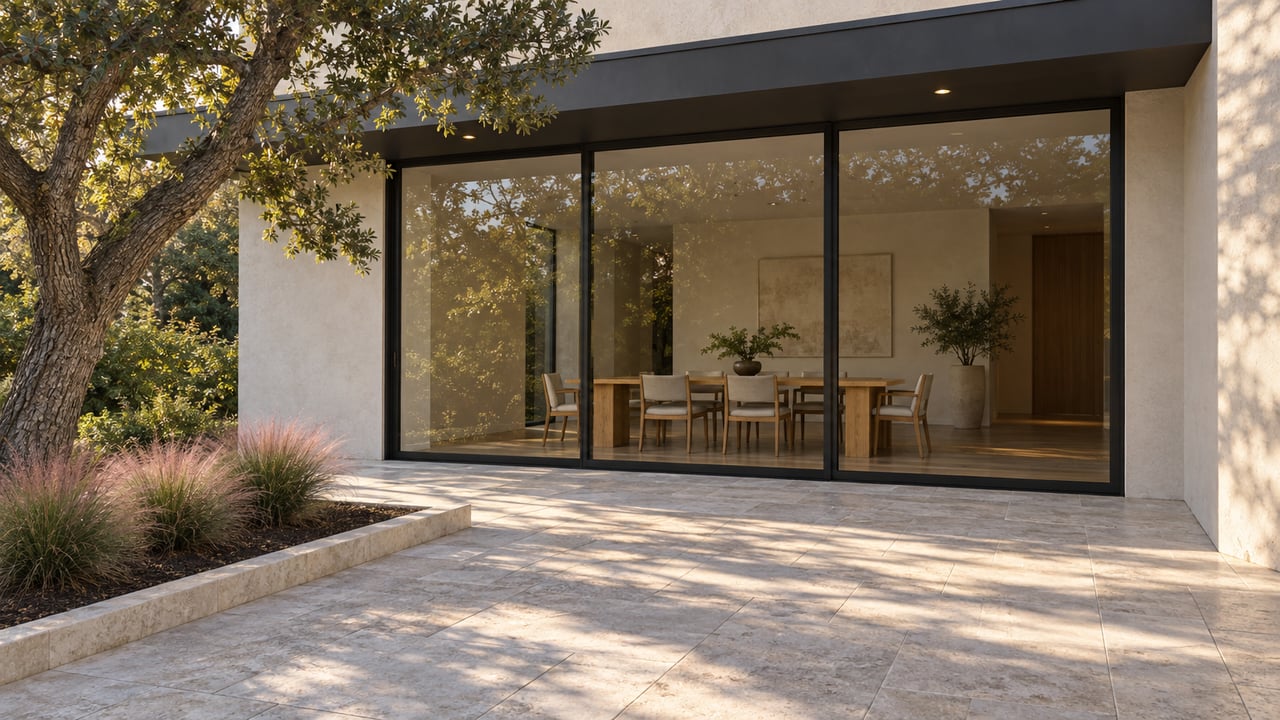
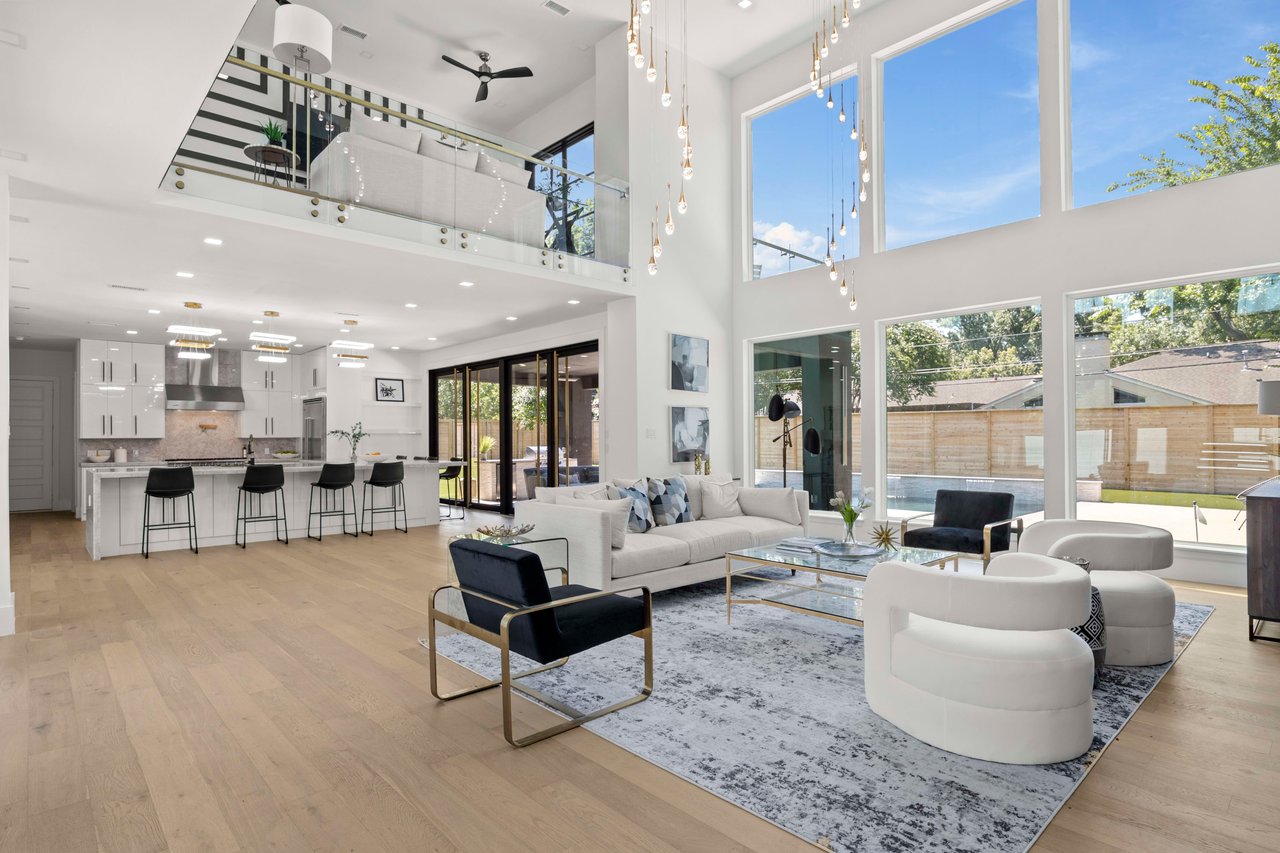
Your glass package is the lens to the landscape. Specify low-e, low solar heat gain glass to reduce heat and protect furnishings. For higher-risk exposures, consider laminated glass that also cuts sound. Interior shading should be layered: light-filtering roller shades for day, lined drapery or automated shades for evening and media use. These choices increase comfort and preserve a crisp, true-color view of the greens.
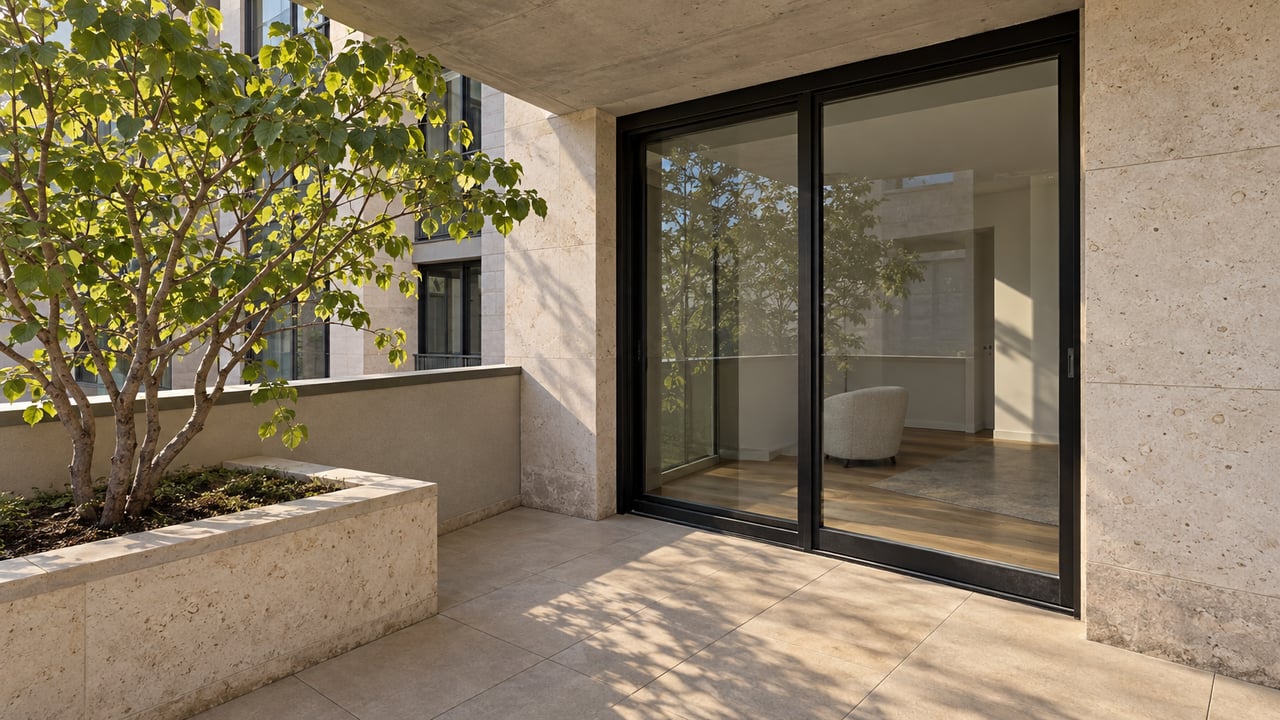
Large openings change how you live. Multi-slide doors deliver wide views with slim profiles. Lift-and-slide systems offer tight seals for comfort. Bi-fold doors create a dramatic opening for events. Keep thresholds as flush as possible for barrier-free flow and integrate retractable screens to keep insects out without blocking the view. Coordinate HVAC zoning and ceiling fans so the room stays comfortable when the doors are closed.
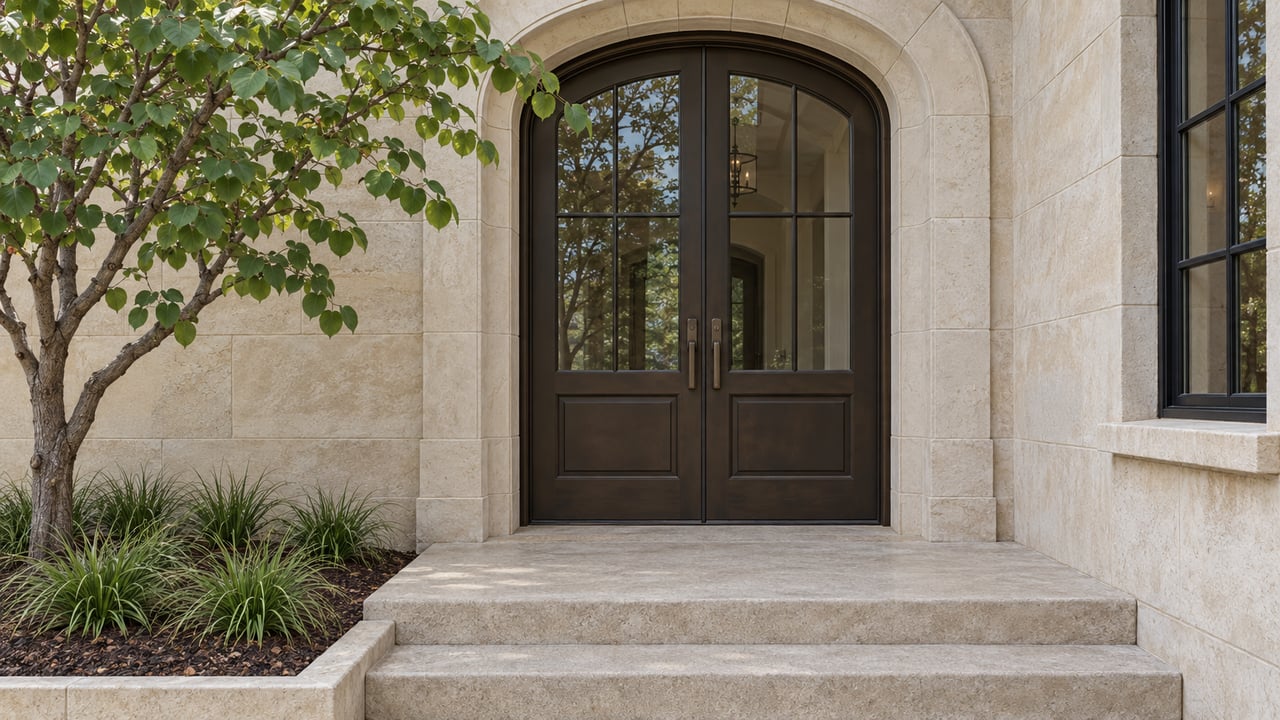
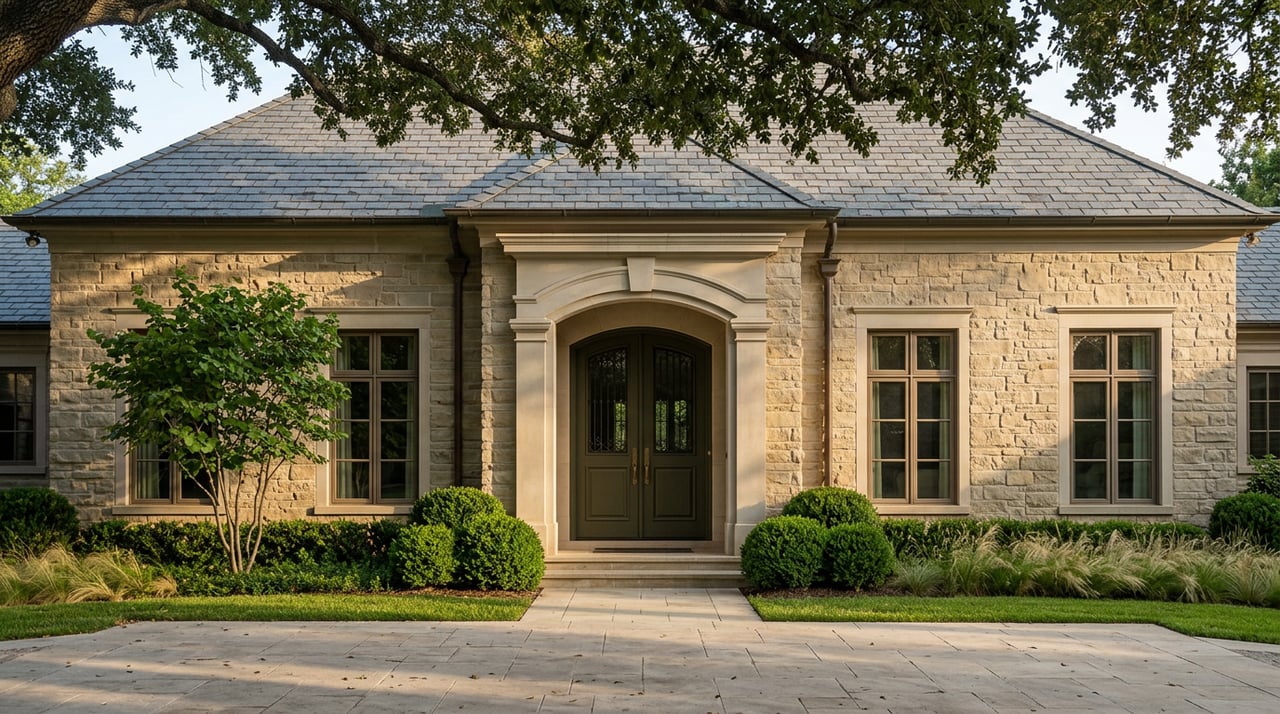
Let the course guide the palette. Soft neutrals, warm woods, and matte finishes pull the outside in without heavy reflection. Use tactile materials at the transition: limestone or textured porcelain pavers on the terrace, wire-brushed oak or resilient stone indoors. Choose low-sheen paints and furnishings to limit glare when the sun is low.
Course ambiance is part of the charm, but mowers and blowers are real. Layer acoustic control through insulated walls, upgraded window assemblies, solid-core interior doors, and soft surfaces like area rugs and drapery. Laminated glass helps with both impact and sound control, especially on the fairway side.
Plan for quick exits and clean arrivals. A mudroom with bench, ventilated lockers, and a dedicated golf cubby keeps gear organized. If you own a cart, design a garage bay or nook with charging, a floor drain, and durable finishes. Add a utility sink for club cleaning and a small fridge for grab-and-go drinks.
Think in canopy, mid, and ground layers to soften the property edge without closing it off:
Prioritize native and adapted plants that thrive in North Central Texas heat and variable rainfall, which reduces irrigation needs and maintenance. Regional resources like the Lady Bird Johnson Wildflower Center and Texas SmartScape offer curated plant lists for DFW review native plant guidance and North Central Texas plant search. Design with the local climate in mind; summers are hot and humid with notable cooling loads, and annual precipitation averages in the upper 30-inch range see climate overview.
Water moves across golf corridors. Protect your home and the course by managing runoff with gentle grading, permeable paving where practical, and swales that direct water away from structures. If your lot is near Big Bear Creek or mapped flood areas, confirm floodplain constraints before adding fill, pools, or structures. FEMA’s Flood Map Service Center and local floodplain administrators provide the official guidance for permitting and compliance check flood maps.
Many golf-edge solutions are as much about aesthetics as function. Favor low-visibility fencing that meets safety needs while maintaining an elegant profile. Where additional protection is warranted, use discreet, landscaped buffers and precise placement of screening rather than tall, visually intrusive barriers. Always coordinate with TOA design rules for golf-course lots per the governing documents.
Create comfortable, contained zones without walling off the view. Courtyard-style spaces, glass safety rails at pool edges, and planting beds as soft boundaries define kid and pet areas. Use gates and smart latches where needed, and keep play zones outside primary ball paths for safety and peace of mind.
Timarron’s Design Review process protects neighborhood character and views. Any exterior modifications, including pools, terraces, fences, and major landscaping, require a submission and approval before work begins. Golf-course lots can have additional standards on planting, screening, and edge treatments as defined by the TOA. Start early with a complete package: site plan, elevations, landscape plan, lighting, and materials. Submitting a thorough set reduces back-and-forth and protects your schedule use the TOA modification forms portal.
Verify setbacks, utility and drainage easements, and any view or landscape corridors along the course edge. Coordinate the city permit path with HOA review. Southlake’s permitting portal outlines requirements for pools, substantial grading, and accessory structures, along with inspection sequences you will need to plan around see Southlake Residential Construction. If your work touches mapped flood areas, factor in additional approvals and lead time confirm with FEMA resources.
For resale, buyers consistently respond to:
Design choices that balance view, comfort, and upkeep tend to hold value in Timarron’s premium setting.
When marketing a golf-view home, stage for the view. Float seating so the eye moves past the furniture to the landscape. Keep window treatments minimal and open during showings. On the terrace, set a complete scene: shaded lounge, bistro table, a soft outdoor rug, and subtle lighting at dusk. Thoughtful staging sells the lifestyle as much as the square footage.
Selecting, renovating, or building a golf-course home is part design review, part construction planning, and part lifestyle choreography. You want a partner who understands how TOA guidelines, city permits, and product specifications influence both daily living and resale.
Identity House Real Estate takes a design-first approach to Southlake and Timarron. We help you evaluate lot orientation, coordinate with architects and builders, plan smart upgrades before you list, and market the lifestyle with elevated media. If you are weighing two lots or considering a transformation, let us walk you through the tradeoffs and the approvals so you can move forward with confidence. Begin your next chapter with Noe De Leon and the Identity House team. Begin Your Lifestyle Search.
Stay up to date on the latest real estate trends.
Negotiates some of the most recognizable modern/contemporary homes in the Dallas/Ft.Worth area. His new conversation in real estate is building a Luxury Real Estate Community where we foster knowledge and network, called the COLLECTIVE Luxury DFW. Contact Noé today.
Noé De Leon
[email protected]
(214) 207-9093
License #0614650
2482 Sedalia CT Frisco TX 75034