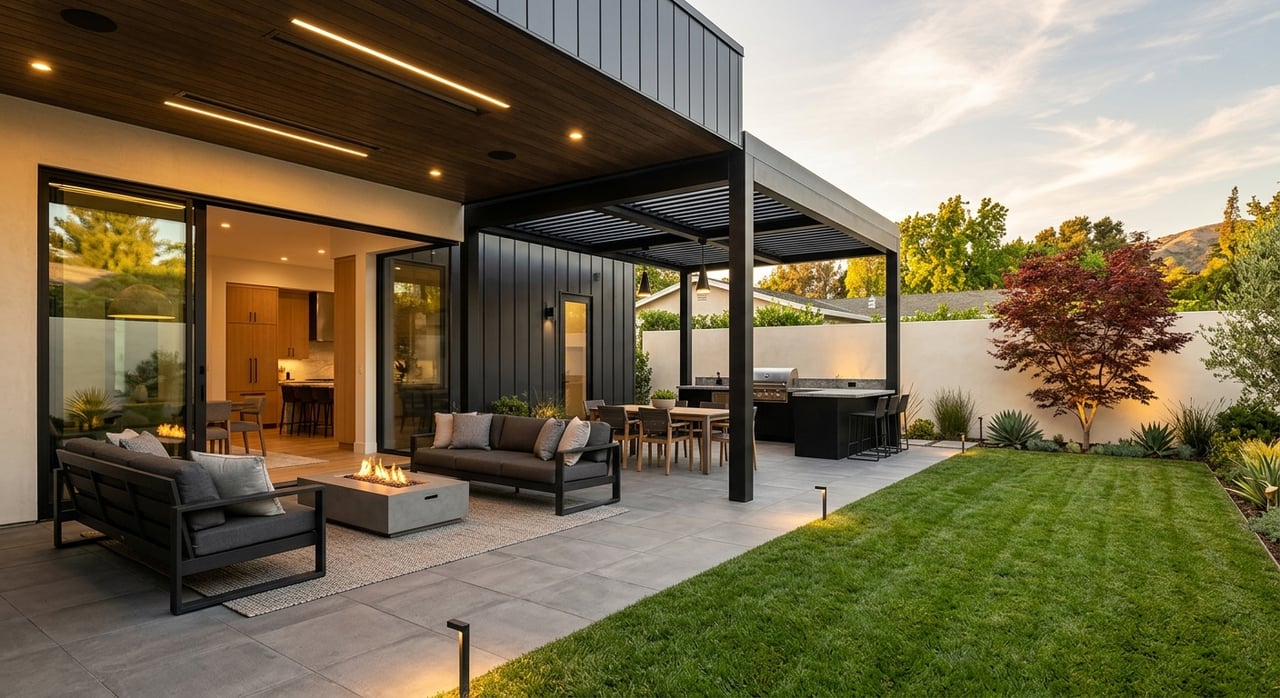
Prosper Custom Home Lots: How to Choose Well
May 21, 2026
May 21, 2026
If you are planning a custom home in Prosper, the lot you choose can shape almost everything that comes next. A lot may look perfect on paper, but setbacks, easements, HOA rules, orientation, and future outdoor plans can change what is actually possible. The good news is that when you know what to look for, you can choose a homesite that fits your design, your lifestyle, and your long-term goals. Let’s dive in.
In Prosper, lot selection is not just about total square footage. It is really about the usable buildable envelope after zoning rules, plat lines, easements, and HOA standards are applied.
Prosper’s Unified Development Code defines buildable area as a lot with the size, shape, characteristics, and topography that allows reasonable construction of improvements permitted by the zoning district. That matters because two lots with the same square footage can offer very different design flexibility once building lines and constraints are factored in.
A simple example helps. In Prosper’s SF-15 district, the minimum lot area is 15,000 square feet, with a 100-foot minimum width, 150-foot minimum depth, a 35-foot front yard, 10-foot side yards, and a 25-foot rear yard. In the SF-10 district, the minimum lot area is 10,000 square feet, with an 80-foot minimum width, 125-foot minimum depth, a 25-foot front yard, 8-foot side yards, and a 25-foot rear yard.
Those numbers show why the lot size alone does not tell the full story. Once those setbacks are applied, the area where you can actually place the home and future improvements can shrink quickly.
One of the most important steps in Prosper is reviewing the recorded plat. The Town’s code says that if a building line has been established by plat or ordinance, the required front yard must follow that line as long as it is not less than 20 feet.
That means a lot may have one zoning label but still carry building lines that are more restrictive than the standard district table. If you skip the plat review, you could assume a house plan will fit when it really needs major revisions.
This is especially important in master-planned communities and planned-development districts. In those settings, recorded standards can matter just as much as the underlying zoning.
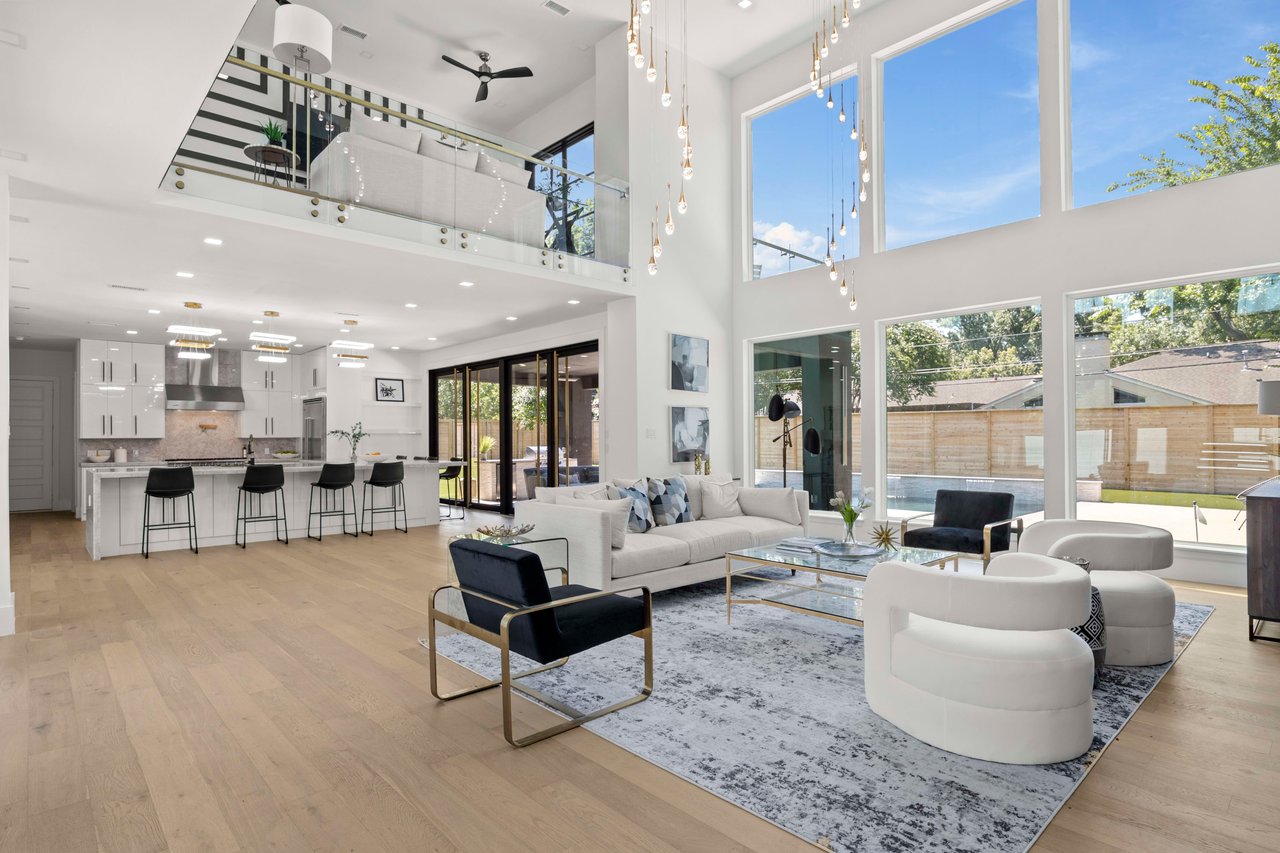
A custom lot should support how you want to live, not just where you want to build. Orientation plays a major role in backyard comfort, daylight, and how enjoyable your outdoor spaces feel during a Texas summer.
Building America guidance from PNNL notes that a home’s orientation and siting can affect how much solar energy it captures, and that north-south orientation can help optimize exposure while reducing overheating from low-angle east-west sun. In practical terms, that means you should ask where the afternoon sun will hit the house, patio, and yard.
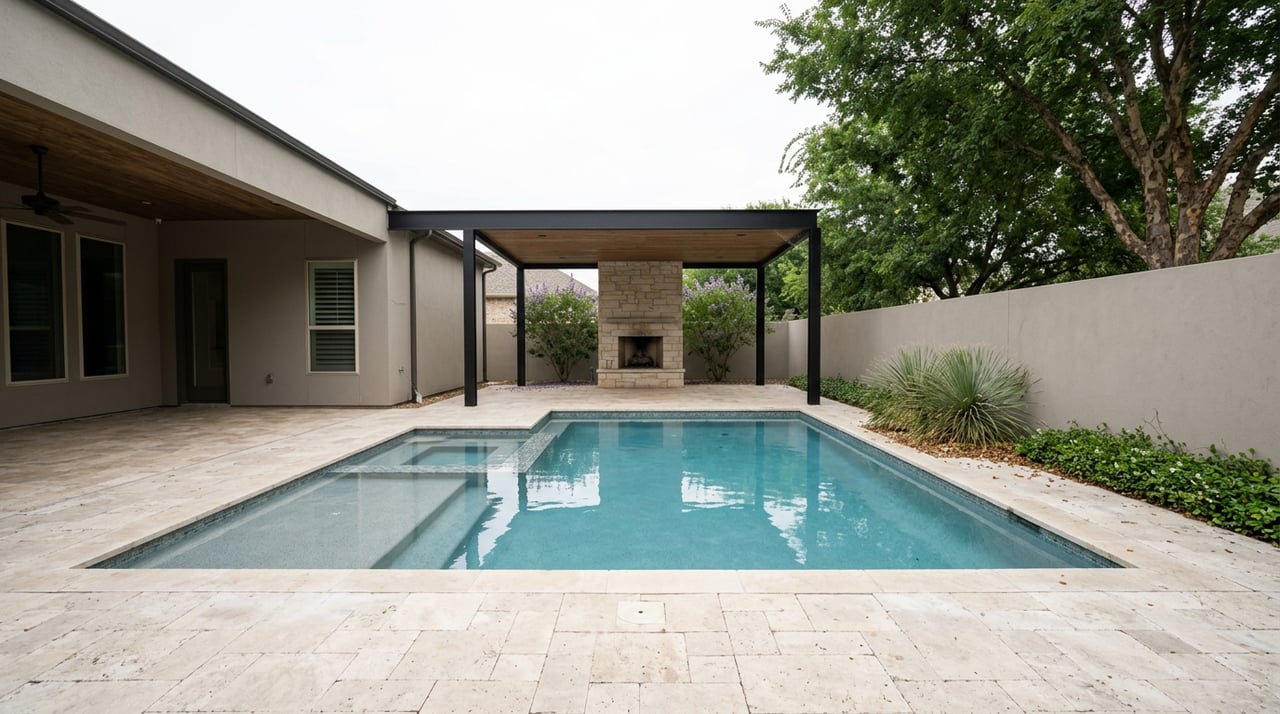
If you are imagining a pool, covered patio, or outdoor dining area, this becomes even more important. A backyard that gets strong afternoon sun may feel very different from one with better shade potential.
The U.S. Department of Energy also notes that well-placed shade trees can reduce solar heat gain and may save up to 25% of the energy a typical household uses. For a custom build, it is smart to ask whether there is room for future trees without crowding the house, hardscape, or pool layout.
Many buyers in Prosper want more than a house. They want a backyard that works for real life, whether that means a pool, pergola, cabana, play space, or a larger patio for entertaining.
This is where lot shape and depth matter. A lot may seem generous at first glance, but if setbacks or easements pinch the backyard, your options for future improvements can become limited.
Prosper requires permits for patio covers, pergolas, arbors, sheds, concrete flatwork such as patios and driveways, fencing beyond small like-for-like repairs, and house additions such as enclosing a back patio. The Town also has placement rules for accessory structures.
According to Prosper’s homeowner permit requirements and accessory structure handout, attached or near-attached roofed structures must stay within required building lines. Detached roofed structures more than 10 feet from the main house must remain at least 3 feet inside property lines. Accessory buildings adjacent to a side street need at least a 15-foot side yard, and side-yard garages need 20 feet from the side lot line, alley line, or easement line.
So before you choose a lot, it helps to ask:
Corner lots can feel more open and offer stronger street presence. For some buyers, that extra visual separation is appealing.
At the same time, corner lots in Prosper often come with planning tradeoffs. The code sets a 15-foot corner lot side yard in both SF-10 and SF-15, which can reduce usable side or backyard area compared with a standard interior lot.
There are also visibility rules to consider. Prosper requires clear vision at street intersections, so fences, walls, mounding, or landscaping above 30 inches cannot block drivers’ views in those areas.
If privacy is high on your list, a corner lot may not always be the best answer. If presence, architecture, and a more open feel matter more, it could still be a strong fit.
Lots that back to greenbelts, open space, or creeks can be attractive for the sense of openness they provide. In Prosper, that kind of lot can create a beautiful backdrop for a custom home.
But view lots can also come with tighter design controls. In one Prosper HOA example, lots adjacent to greenbelt areas must use black finished 48-inch wrought iron fences for certain rear and side sections unless another option is specifically approved.
That creates an important lifestyle tradeoff. A lot with open views may feel more expansive, but it may also give you less flexibility if you want dense privacy screening or a different fence style.
If your top priority is scenery, a greenbelt lot may be ideal. If your top priority is enclosure and privacy, a standard interior lot may serve you better.
Drainage is one of the easiest issues to overlook when you are focused on architecture and finishes. It is also one of the most important.
Prosper’s code states that no portion of a drainage and floodway easement for floodplain purposes may be contained in a single-family residential lot. It also says that no building, fence, wall, deck, swimming pool, or other structure may be located in an erosion-hazard setback area.
For buyers, that means slope, grading, and easements can directly affect whether a lot is practical for a pool, retaining walls, expanded patio space, or even certain home placements. A lot with challenging topography can still work, but it needs closer review early in the process.
For floodplain research, Collin County’s engineering FAQ directs users to the county interactive map for floodplain layers, and FEMA’s Flood Map Service Center is the official public source for flood hazard information. Checking these items before you commit can save time and redesign costs later.
One of the most common points of confusion in Prosper is the difference between Town approval and HOA approval. They are not the same, and one does not replace the other.
Prosper’s FAQ states that deed restrictions and HOA covenants should be verified before applying for a permit because they may supersede Town requirements. The Town also makes clear that it does not enforce HOA rules.
That matters because HOA architectural review can be detailed. In one Prosper HOA example, hardscape, landscape, pools, patios, play equipment, driveways, painting, and fence or roof repairs and replacements all require ACC approval before work begins.
The same HOA states that unapproved modifications may lead to a violation, fine, or removal, and that ACC review can take 30 to 60 days. If you are building or planning future improvements, that timeline should be part of your decision-making from the start.
Timing matters with custom homes, especially if you plan to phase outdoor improvements after move-in. Prosper states that minor permits such as pools, accessories, signs, fences, and flatwork are reviewed in five business days, while residential permits such as new homes and additions are reviewed in ten business days per round.
The Town also notes that most permits expire 180 days after issuance or the last approved inspection. For you, that means the lot should support not only your initial build but also the timing of future additions you may want to make.
If your vision includes a pool after closing or a covered patio in a second phase, it is wise to think beyond the first set of plans. The best lot often supports both the house you want now and the upgrades you may want later.
Before you move forward on a custom lot in Prosper, review these points carefully:
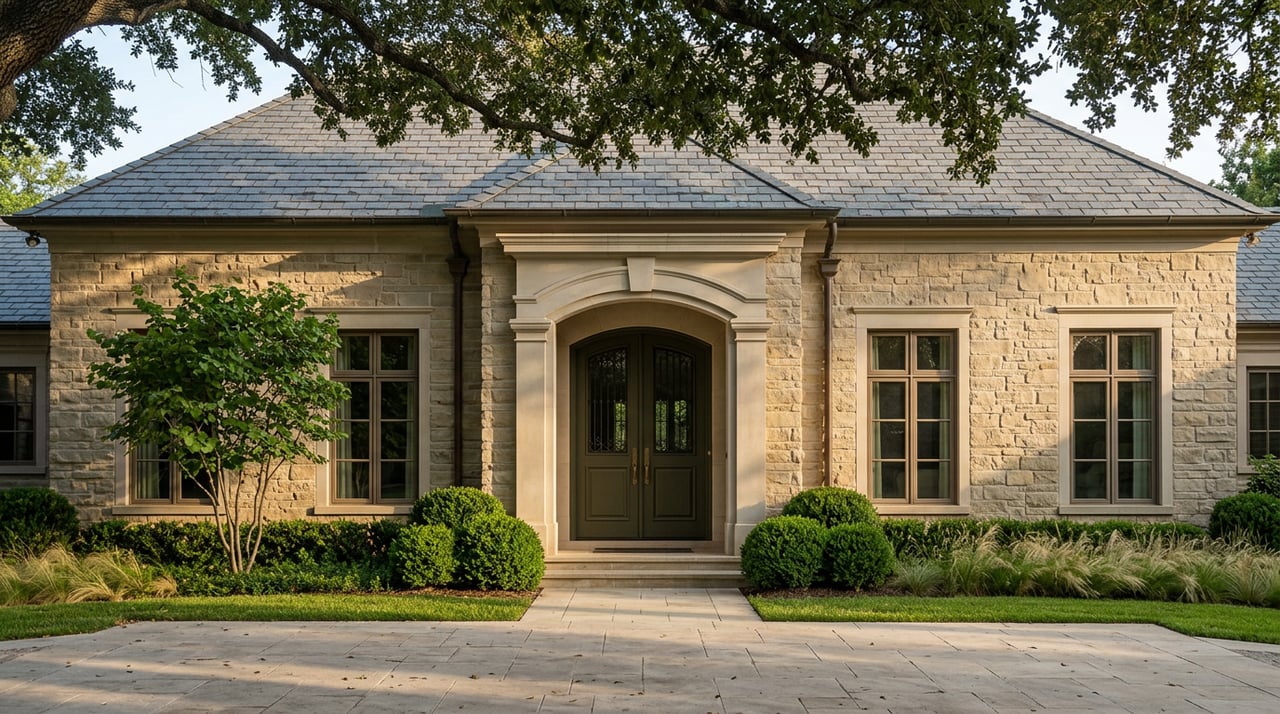
In Prosper, the right lot is not always the biggest one or the one with the broadest marketing appeal. It is the lot that supports the home you want to build and the way you want to live.
That is why a design-first review matters. When you look at zoning, plats, orientation, outdoor-living potential, HOA controls, and future flexibility together, you make a smarter choice from the beginning.
A well-chosen lot can help your home feel better every day and perform better over time. If you want a strategic, design-minded approach to custom home opportunities in Prosper, connect with Noe De Leon to begin your lifestyle search.
Stay up to date on the latest real estate trends.
Negotiates some of the most recognizable modern/contemporary homes in the Dallas/Ft.Worth area. His new conversation in real estate is building a Luxury Real Estate Community where we foster knowledge and network, called the COLLECTIVE Luxury DFW. Contact Noé today.
Noé De Leon
[email protected]
(214) 207-9093
License #0614650
2482 Sedalia CT Frisco TX 75034