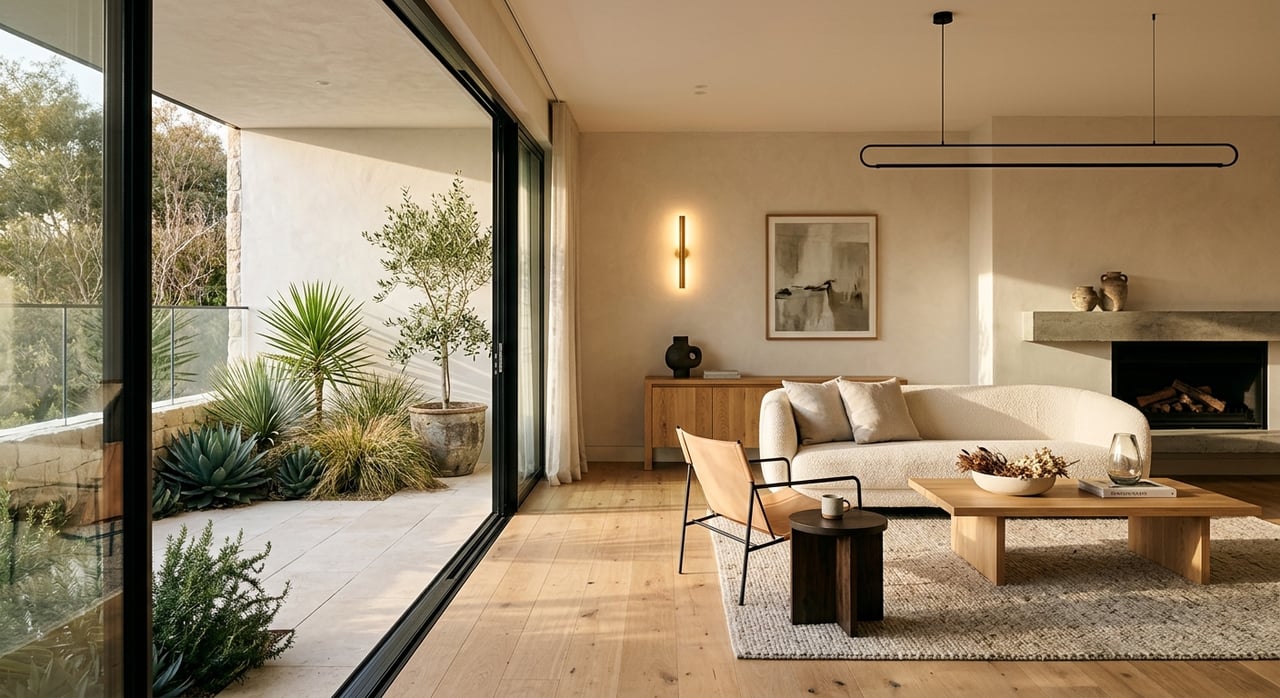
Deciding Whether to Remodel or Rebuild in University Park
April 23, 2026
April 23, 2026
If you own an older home in University Park, one question can shape your budget, timeline, and long-term value more than almost anything else: should you remodel, or is it smarter to rebuild? In a city where land values are high, lot rules are specific, and block context matters, the answer is rarely simple. The good news is that with the right planning, you can make a decision that fits both your lifestyle and your property’s potential. Let’s dive in.
University Park is a primarily residential city of more than 25,000 residents located about five miles north of downtown Dallas, with more than 7,000 homes, according to the City of University Park. That residential character is part of what makes the area so appealing, but it also means changes to a home need to work within a clear framework.
Property economics matter here, too. Dallas Central Appraisal District reports a 2025 median market value of $2,697,840 for detached single-family residences in University Park, with an average market value of $3,138,377. You can see that in DCAD’s 2025 median single-family residence value report.
That level of value changes the conversation. In many cases, the lot itself carries significant weight, even if the existing house feels dated. DCAD explains in its mass appraisal report that residential values are based on land value plus the depreciated replacement cost of improvements. In plain terms, your land may remain highly valuable even if the home needs major work.
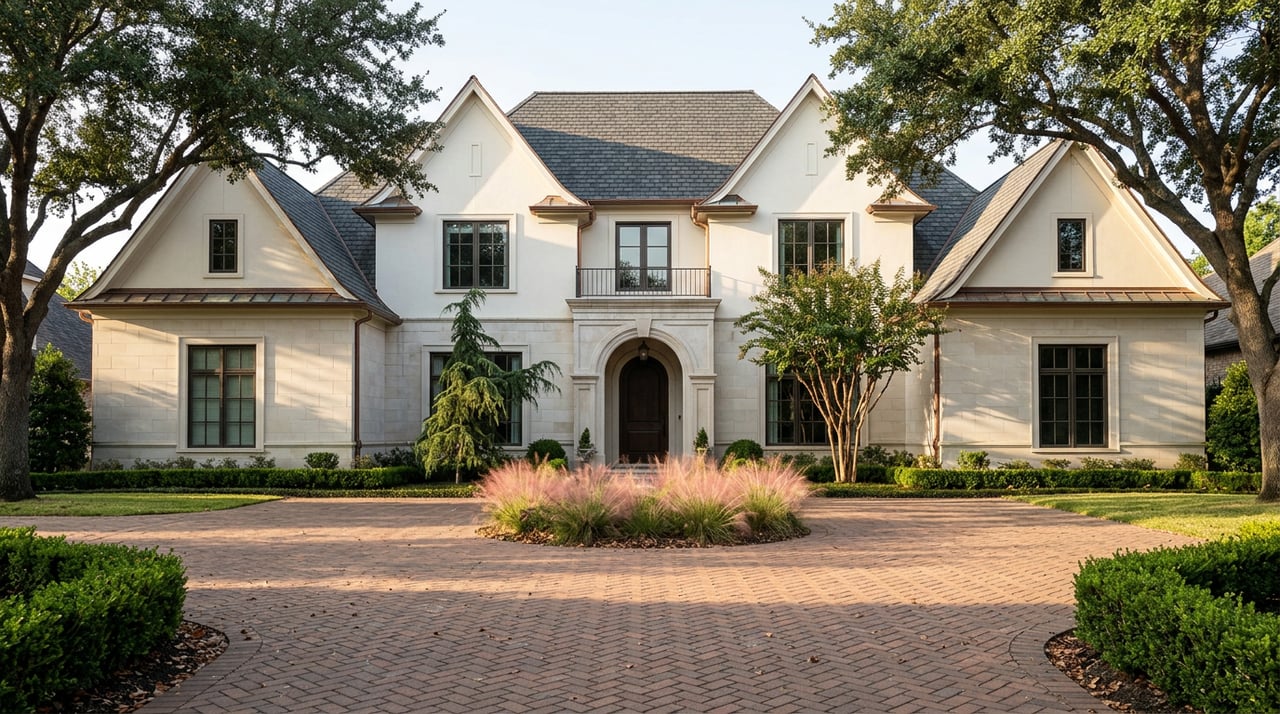
A remodel is often the better path when the existing home has a solid structure, a salvageable layout, and enough flexibility to improve the way you live without taking the house apart piece by piece. If the bones are good and the design can be updated through thoughtful changes, remodeling may let you preserve what already works while modernizing the rest.
This option can also make sense if you want to maintain the home’s street presence or architectural character. In a place like University Park, where block context matters, keeping and refining an existing shell can sometimes be the more efficient and practical move.
Even a strong remodel needs to fit within city rules. University Park requires permits for most remodeling and addition work, and as of January 1, 2025, permit applications go through a completeness meeting before plan review. That makes early preparation especially important.
You also need to think about construction logistics. The city states that construction is generally allowed from 7 a.m. to 6 p.m. Monday through Saturday, with no work on Sundays or listed holidays. The same permit guidance notes that permits generally expire after 60 days if no inspections occur, and a project is not legally complete until final inspection passes.
Remodeling can look simpler on paper than it feels in real life. University Park says plumbing, mechanical, and electrical permits must be obtained by licensed contractors. The city also notes that plan changes made during construction can create inspection issues if they are not approved first.
If your project includes excavation, there are more details to manage. The city’s Call Before You Dig guidance says you must call 811 before digging, and any work in the right-of-way requires city utility locating. The permit page also states that no construction is permitted over utility easements.
Sometimes the city’s rules effectively decide for you. University Park’s permit staff states that if demolition exceeds more than 50% of a structure, the project requires complete demolition and rebuild to current city building and zoning codes. The city calculates that threshold using 50% exterior walls, 25% foundation, and 25% roof, as outlined on the building permits page.
That means a project you start as a major renovation can quickly turn into a rebuild if the scope crosses the city’s threshold. If your architect or builder already expects substantial removal of walls, roof, or foundation, it is worth testing the numbers early rather than discovering midstream that your project now falls under a different standard.
A rebuild also has to do more than meet your wish list. It must fit University Park’s zoning framework and the physical context of the block.
The city code says the average front setback is based on the average depth of existing front yards on the blockface. If a structure is demolished or removed, that lot is treated as having the block’s average front-yard depth for setback calculations, according to the applicable University Park code provision.
Lot coverage matters as well. The city’s maximum impermeable surface coverage handout sets different limits for SF-1 through SF-4 lots based on lot size, limits paving in the required front yard to 50% coverage, and notes a 35-foot principal building height cap in the relevant single-family districts.
In practical terms, that means rebuilding gives you a clean slate, but not a blank check. A custom design still has to respect the lot, the block, and the code.
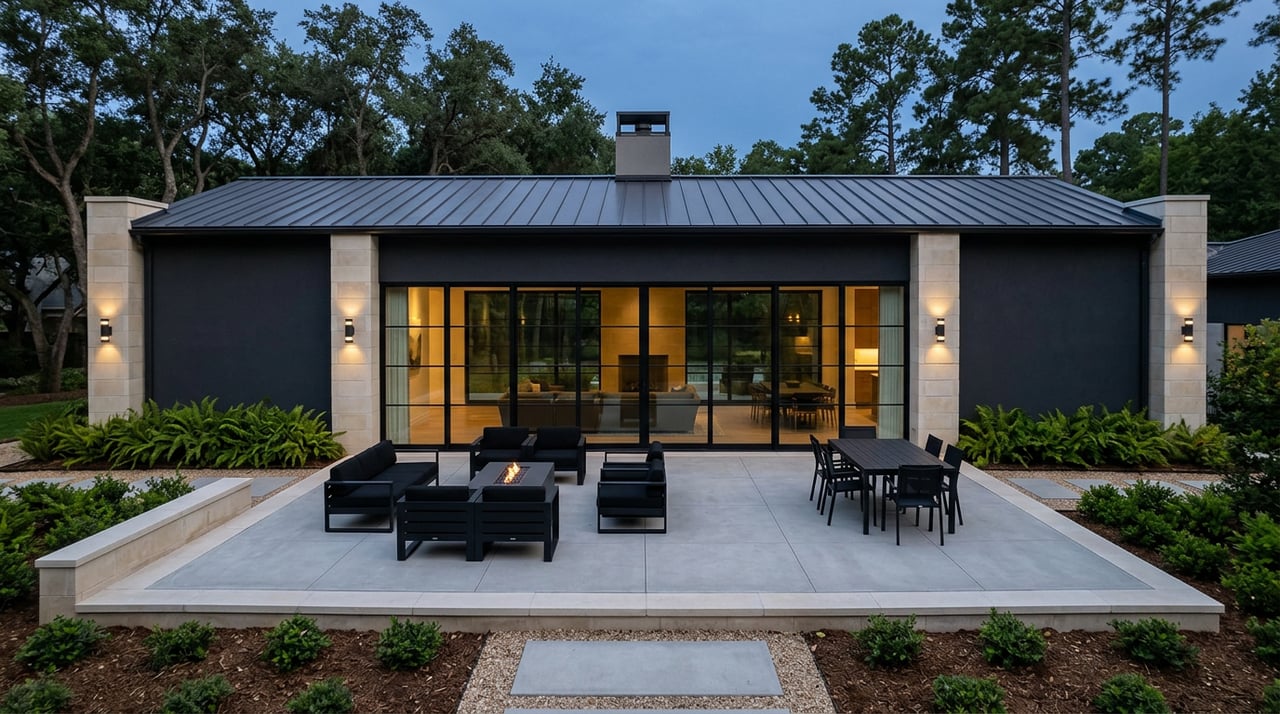
Rebuilding can be the better path when the current home no longer supports modern living, the floor plan cannot be fixed efficiently, or the site deserves a fresh design approach. It can also better align the improvement with current buyer expectations, especially in a high-value market where land and structure are evaluated separately.
Still, that outcome is not automatic. If your project needs relief from the code, additional time and uncertainty may follow. The Boards and Commissions page explains that the Board of Adjustment hears variance requests and certain appeals, while the Planning and Zoning Commission hears rezoning and replat requests before forwarding recommendations to City Council.
Before you commit to drawings or bids, look at the balance between land value and improvement value. DCAD’s valuation framework is helpful here because it separates those components. If the lot carries much of the property’s worth, rebuilding may deserve stronger consideration than it would in a lower-value area.
That does not mean a teardown is always the answer. A well-executed remodel may still be the more efficient path if the shell, scale, and street presence are worth preserving.
Next, pressure-test the concept. Can your plan stay under the demolition threshold? Can it fit the block’s setback pattern, lot coverage requirements, and height limits? Will excavation, easements, or right-of-way issues affect cost or feasibility?
These questions matter whether you are planning a refined renovation or a ground-up custom home. In University Park, early clarity can save months of revisions.
The right choice is not only about resale or architecture. It is also about how you want to live through the process. If you hope to remain in the house during work, the city’s construction hours, inspection requirements, and permit timing become part of the decision.
A major remodel can sound less disruptive than a rebuild, but depending on the scope, it may still be highly invasive. In some cases, a full rebuild is actually the cleaner path from a planning standpoint, even if it feels bigger at the start.
If you are unsure whether a home should be preserved or replaced, local context can help. University Park’s Brown Books contain thousands of subdivision records, and the library says more than 98% of the documents include a photo of the original structure.
That can be a valuable tool if you want to understand the home’s original design, architectural intent, or relationship to the block. For some owners, that context supports a thoughtful remodel. For others, it clarifies that a replacement home may be the better long-term move.
In University Park, this decision usually rewards preparation more than speed. The strongest outcomes tend to come from comparing the architect’s vision, the builder’s budget and constructability input, and the resale perspective before you lock into one direction.
That kind of coordination is especially important in a market shaped by high land values, tight lot rules, and a strong neighborhood framework. If you are weighing whether to remodel or rebuild in University Park, working with an advisor who understands design, positioning, and marketability can help you move forward with confidence. If you want a thoughtful resale perspective before committing to your next step, connect with Noe De Leon.
Stay up to date on the latest real estate trends.
Negotiates some of the most recognizable modern/contemporary homes in the Dallas/Ft.Worth area. His new conversation in real estate is building a Luxury Real Estate Community where we foster knowledge and network, called the COLLECTIVE Luxury DFW. Contact Noé today.
Noé De Leon
[email protected]
(214) 207-9093
License #0614650
2482 Sedalia CT Frisco TX 75034